
Introduction
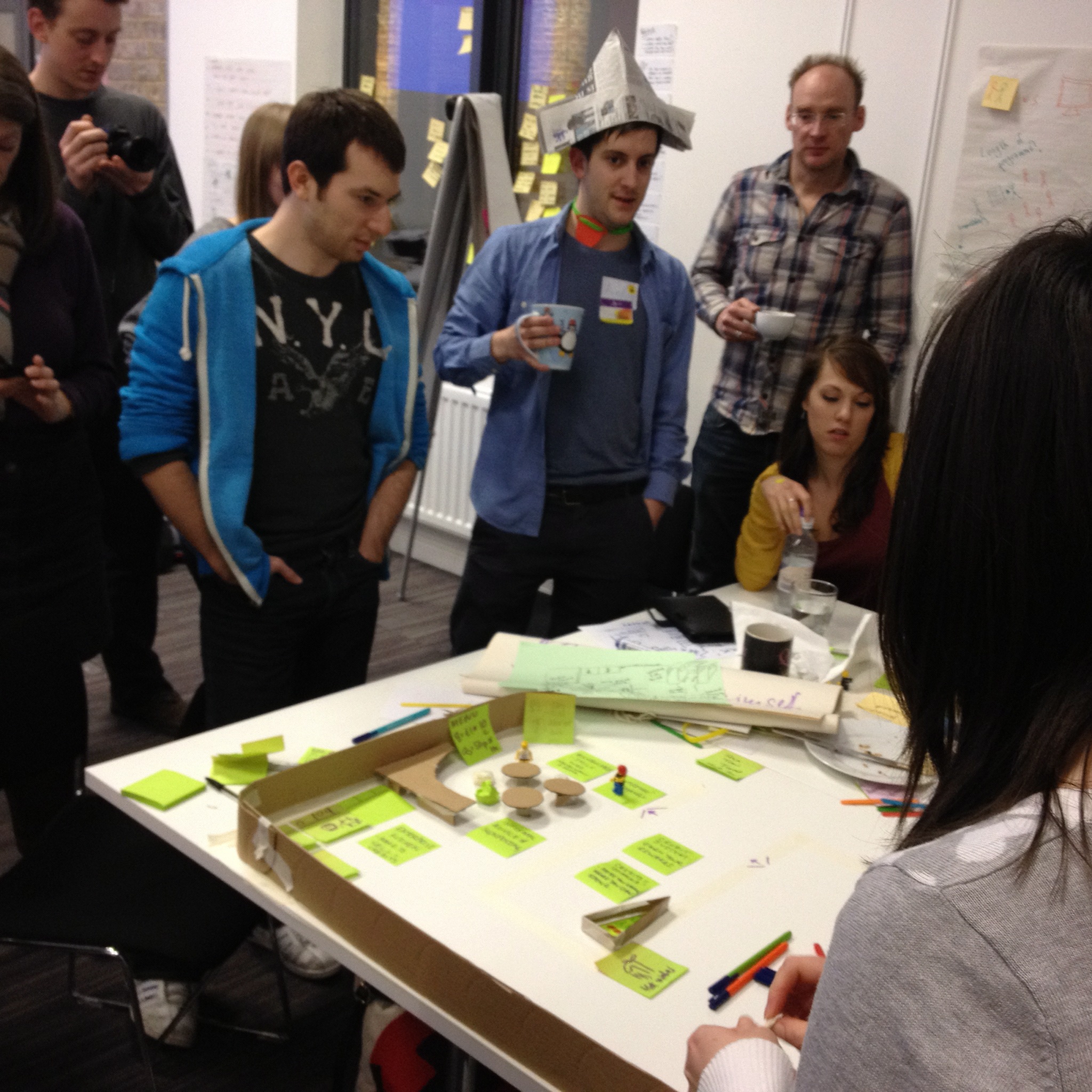
Thirteen years ago, I ran into my very first hackathon at the Global Service Jam in Newcastle, 2012. I had no idea at the time how formative that experience would be, shaping not only my approach to creativity and collaboration, but also the way I design and facilitate high-impact hackathons and design sprints today. Since then, I’ve seen how these fast-paced, highly focused events can unlock innovation, accelerate problem-solving, and bring diverse groups of people together around bold ideas. In this post, I’ll share what makes them so powerful, and how to run them in a way that delivers real energy, insight, and results.
7 Steps To Planning High-Impact Hackathons

1. Alignment – Setting the Foundation
The project begins with aligning with executives to ensure the hackathon reflects the organisation’s goals, values, and culture. This phase includes identifying pressing challenges and opportunities to tackle during the event. Alignment creates a shared purpose and ensures organisational buy-in, paving the way for impactful outcomes.
Key Objectives
- A clear link between the hackathon and strategic priorities.
- Defined challenges that resonate with the organization’s goals.
- Executive sponsorship and engagement.
2. Planning – Crafting The Roadmap
With alignment in place, create a high-level plan detailing logistical requirements and program management. Decide on the venue, timings, and format. Consider attendee selection, space requirements, and other critical factors to ensure a seamless experience.
Key Outputs
- A comprehensive event plan and timeline.
- Venue booking and logistical arrangements.
- Program and agenda outlines.
3. Design – Tailor the Experience
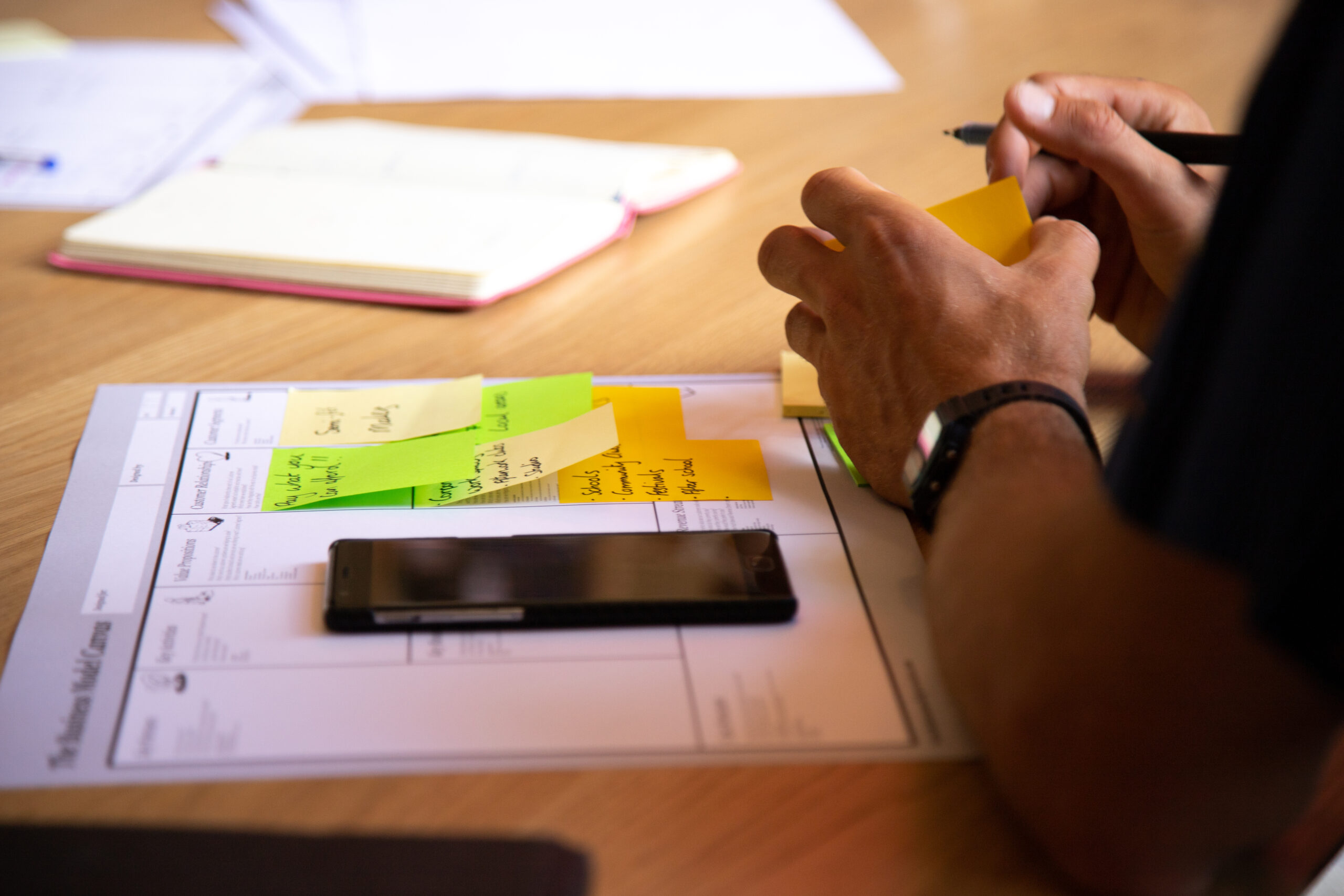
A Leadership Hackathon thrives on customization. Design a bespoke event structure, including activities, themes, and a clear format. Develop visual aids, facilitator guides, and support materials to ensure the event runs smoothly and inspires participation.
Key Outputs
- Tailored event structure and session plans.
- Engaging visual aids and interactive tools.
- Detailed facilitator notes for guided execution.

4. Launch: Build Anticipation
Launch pre-event communications to set the stage for success. Share key details about the event, such as its purpose, themes, and agenda, while setting expectations for participants. Build excitement through creative, clear, and engaging messaging.
Key Outputs
- A strategic communication plan.
- Invitations and pre-event materials for participants.
- A clear roadmap of participant expectations.

5. Experience: Deliver the Event
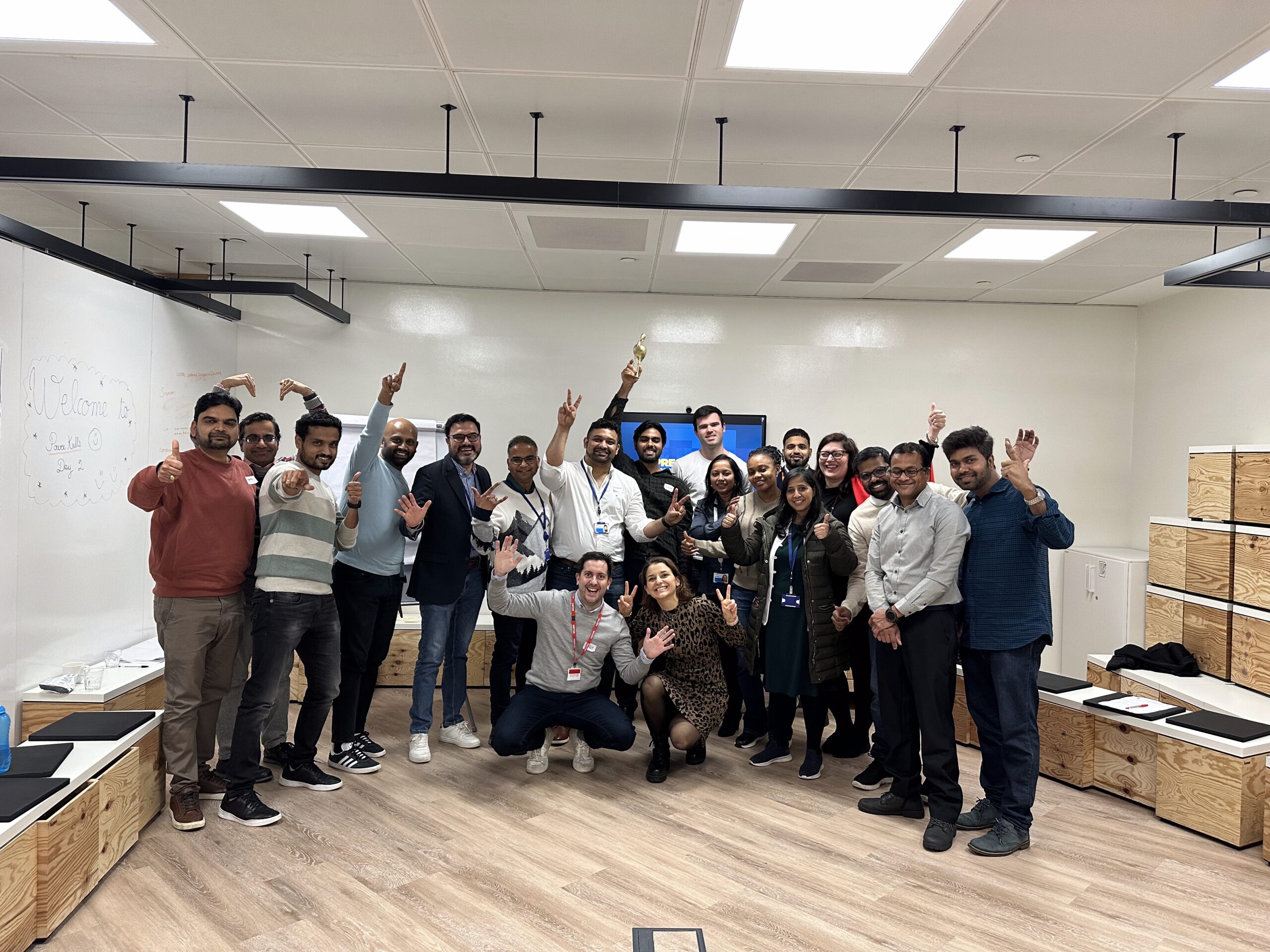
This is the heart of the journey: the event itself. Over 2–3 days, participants explore challenges, share ideas, and collaborate on solutions. Through ideation, prototyping, and pitching, participants unleash their creativity and leadership skills, presenting tangible solutions to executives or a leadership committee.
Key Outputs
- Dynamic collaboration sessions.
- Prototypes and actionable ideas.
- Participant presentations and pitches.
6. Impact: Turn Outputs into Results
After the hackathon, assess the insights generated and evaluate project ideas against business objectives. Draft action plans, allocate budgets for further development, and ensure the best ideas have a clear path forward.
Key Outputs
- Insights and key takeaways from the event.
- Action plans for initiative development.
- Recommendations for budget and next steps.

7. Review: Learning for the Future
Finally, evaluate the overall impact of the hackathon. Gather feedback from participants and executives to assess learning, growth, and business value. Use these insights to refine future hackathons and foster a culture of continuous innovation.
Key Outputs
- Post-event evaluation and feedback.
- Lessons learned for future iterations.
- Growth insights for leadership development.
Closing
If you’re curious about how a hackathon or design sprint could spark innovation in your organisation, or you’d like support designing one that really delivers—let’s connect. I’d love to hear about the challenges you’re exploring and share ideas on how to bring people together to create impact.
Or check-out the Hackathons Page for more information here.
Related Posts

Bringing Leadership to Life: The Power of Creative Profiles
As part of a recent consultancy project, I had the privilege of helping an organization build a stronger global leadership community. With hundreds of leaders…
Life Beat Course in Creative Facilitation
Expanding My Facilitation Toolkit Through Play, Creativity & Connection At the end of 2024, I lept into the world of LIFEbeat, many years…

From Meetings to Momentum: How an External Facilitator Elevates Your Leadership Retreat
Leadership offsites are a critical opportunity for senior teams to align, strategize, and build stronger relationships. However, without the right structure and guidance, these events…