
Andy's Blog
The Greatest Talk on Creativity – John Cleese on How to Cultivate a Creative Mindset
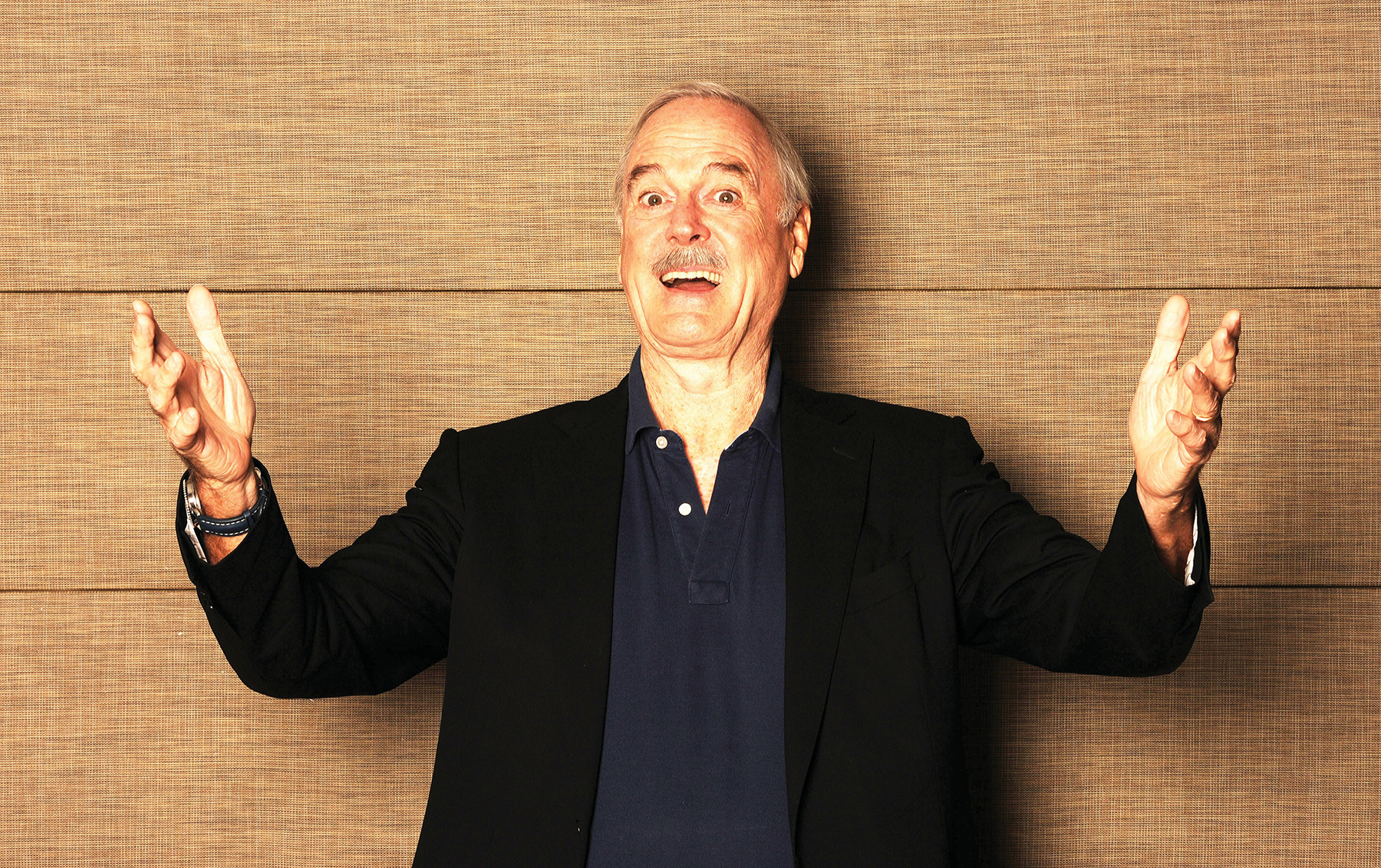
They say we stand on the shoulders of giants, and I couldn’t agree more. Throughout my career in creative facilitation and leadership, I’ve been fortunate to learn from some truly incredible mentors—people who have guided me, challenged me, and shaped my understanding of creativity. But beyond the mentors I’ve worked with directly, there are also giants of the field—thinkers, artists, and visionaries who have profoundly influenced the way I approach creativity.
One of those giants, for me, is John Cleese.
If you asked me to recommend just one resource to inspire creative facilitation, leadership, and innovation, it would be his legendary talk on creativity, from 1991.
For me, it’s still the greatest talk on creativity ever. Delivered by one of the most gifted creative minds of our time, Cleese doesn’t just discuss creativity—he demystifies it. With his signature wit, intelligence, and deep understanding of the creative process, he provides a framework that has stuck with me ever since I first watched it. And I’ve watched it countless times since.
Whether you’re a leader, facilitator, artist, or simply someone who wants to be more creative, Cleese’s insights are timeless.
WATCH HERE
Unlike many discussions about creativity that make it seem like an elusive, mystical force, Cleese breaks it down into something practical, something we can cultivate. His talk is filled with humour, but also deep wisdom about how creativity actually works.
His key message? Creativity isn’t about talent—it’s about the conditions you create.
Cleese argues that the ability to be creative is not an innate gift but a way of operating. This insight alone is transformative. It means that anyone—leaders, teams, facilitators—can design environments that encourage creative thinking.
Key Lessons from John Cleese’s Talk on Creativity
1. The Importance of Playfulness
Cleese emphasises that creativity thrives when we allow ourselves to play. Children do this naturally, but as adults, we often suppress it. Creativity emerges when we stop trying to be “right” and start being open to exploration.
This is especially important for leaders and facilitators—if you want your team to be creative, model playfulness. Show that it’s okay to experiment, to be silly, to make mistakes.
2. The Open Mode vs. The Closed Mode
One of the most powerful concepts from Cleese’s talk is his distinction between two mental states:
- Closed Mode – This is our efficient, task-oriented state. We’re focused, logical, and often under pressure. While necessary for execution, it’s the enemy of creativity.
- Open Mode – This is where creativity happens. It’s a relaxed, expansive state where we allow ideas to flow, make unexpected connections, and entertain possibilities without judgment.
The takeaway? Creativity requires dedicated time in the Open Mode. If you’re constantly rushing, stressed, or problem-solving, your creative brain won’t have space to generate ideas.
3. Creativity Needs Boundaries (and Space to Breathe)
A common misconception is that creativity flourishes with complete freedom. Cleese challenges this—he argues that some structure is necessary, but so is time for reflection.
He encourages setting specific time blocks for creativity:
- Find a space where you won’t be interrupted.
- Give yourself permission to explore ideas without pressure.
- Stay in the Open Mode for as long as possible—don’t force a solution too soon.
For leaders, this means creating time and space for your team to think freely rather than just pushing for immediate results.
4. The Role of Humour in Creativity
John Cleese highlights how humour and creativity are deeply connected. Laughter is a sign that we’re in the Open Mode—where ideas are free to form, combine, and evolve.
For facilitators, humour lowers defence mechanisms, builds psychological safety, and encourages participation. It also helps teams relax into uncertainty, which is essential for creativity.
Final Thoughts
John Cleese’s talk on creativity has stayed with me for years because it’s practical, insightful, and deeply inspiring. If you ever feel stuck creatively or need a fresh perspective on leadership and facilitation, this is the talk to watch. So, if you haven’t seen it yet—do yourself a favour. Watch it. Absorb it. Share it. And most importantly, apply it.
Let me know—what’s the best talk on creativity you’ve ever seen?
Related Posts
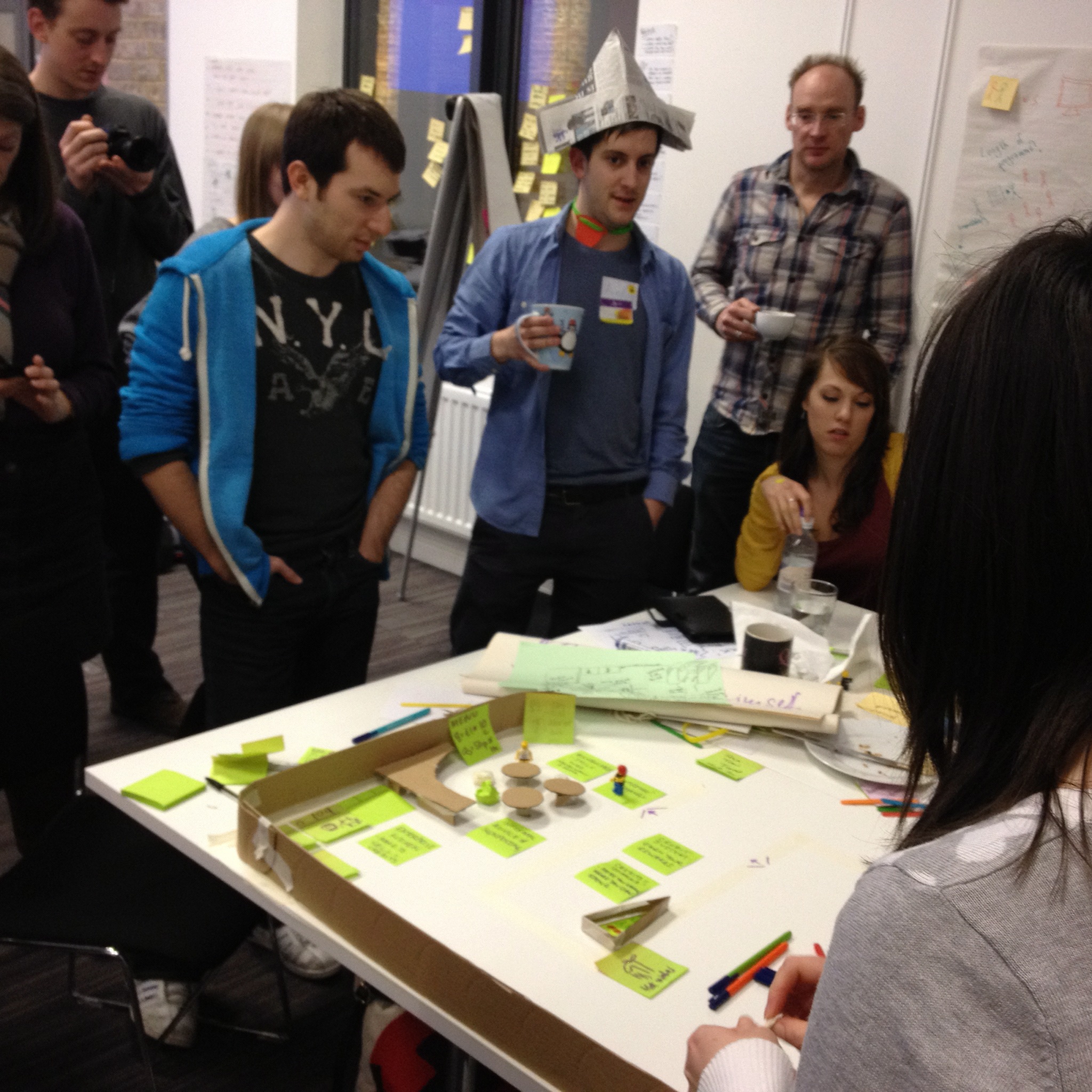
Andy’s 7 Step Guide To Running Hackathons
Introduction Thirteen years ago, I ran into my very first hackathon at the Global Service Jam in Newcastle, 2012. I…

Bringing Leadership to Life: The Power of Creative Profiles
As part of a recent consultancy project, I had the privilege of helping an organization build a stronger global leadership community. With hundreds of leaders…
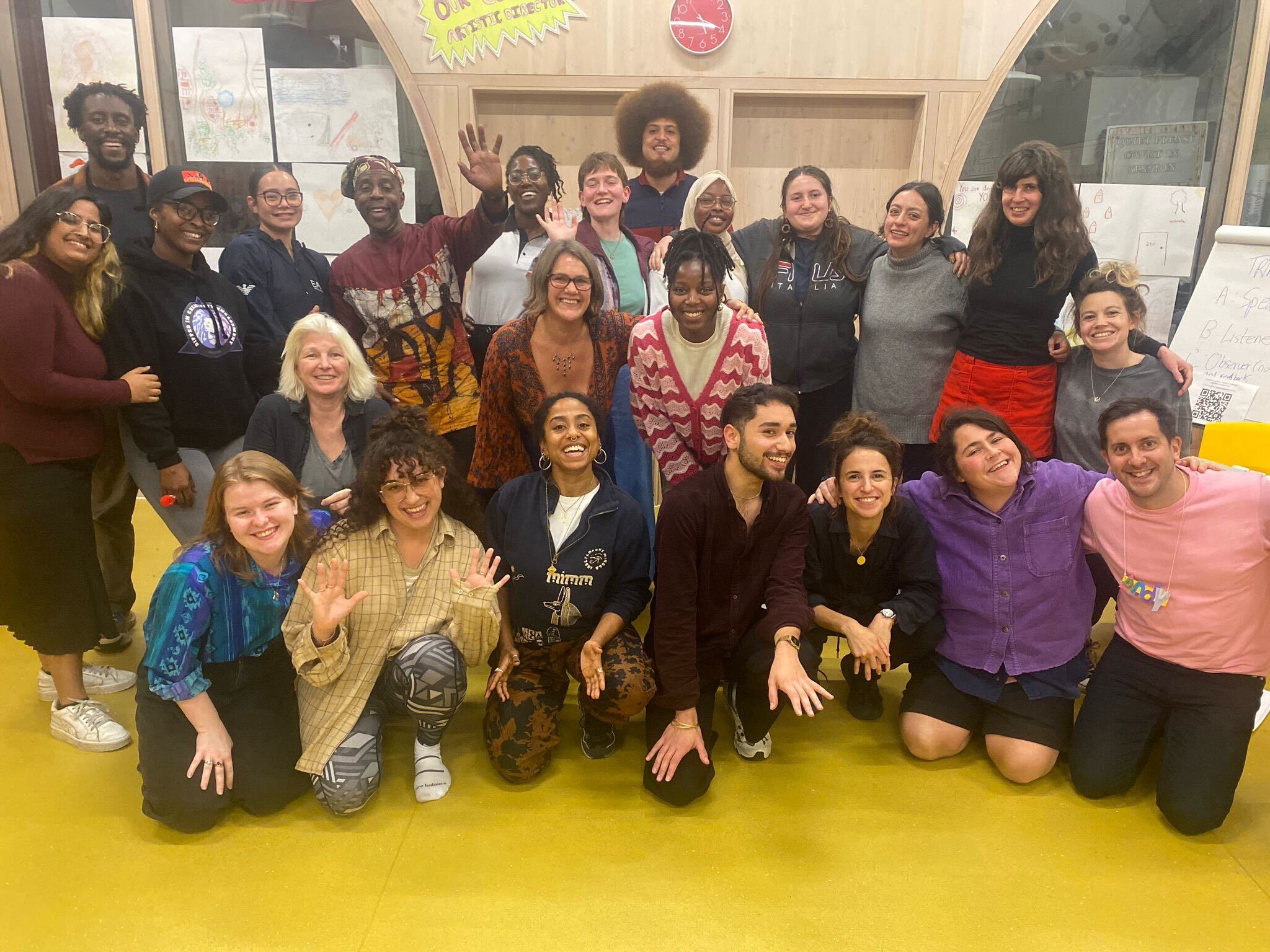
Life Beat Course in Creative Facilitation
Expanding My Facilitation Toolkit Through Play, Creativity & Connection At the end of 2024, I lept into the world of LIFEbeat, many years…