
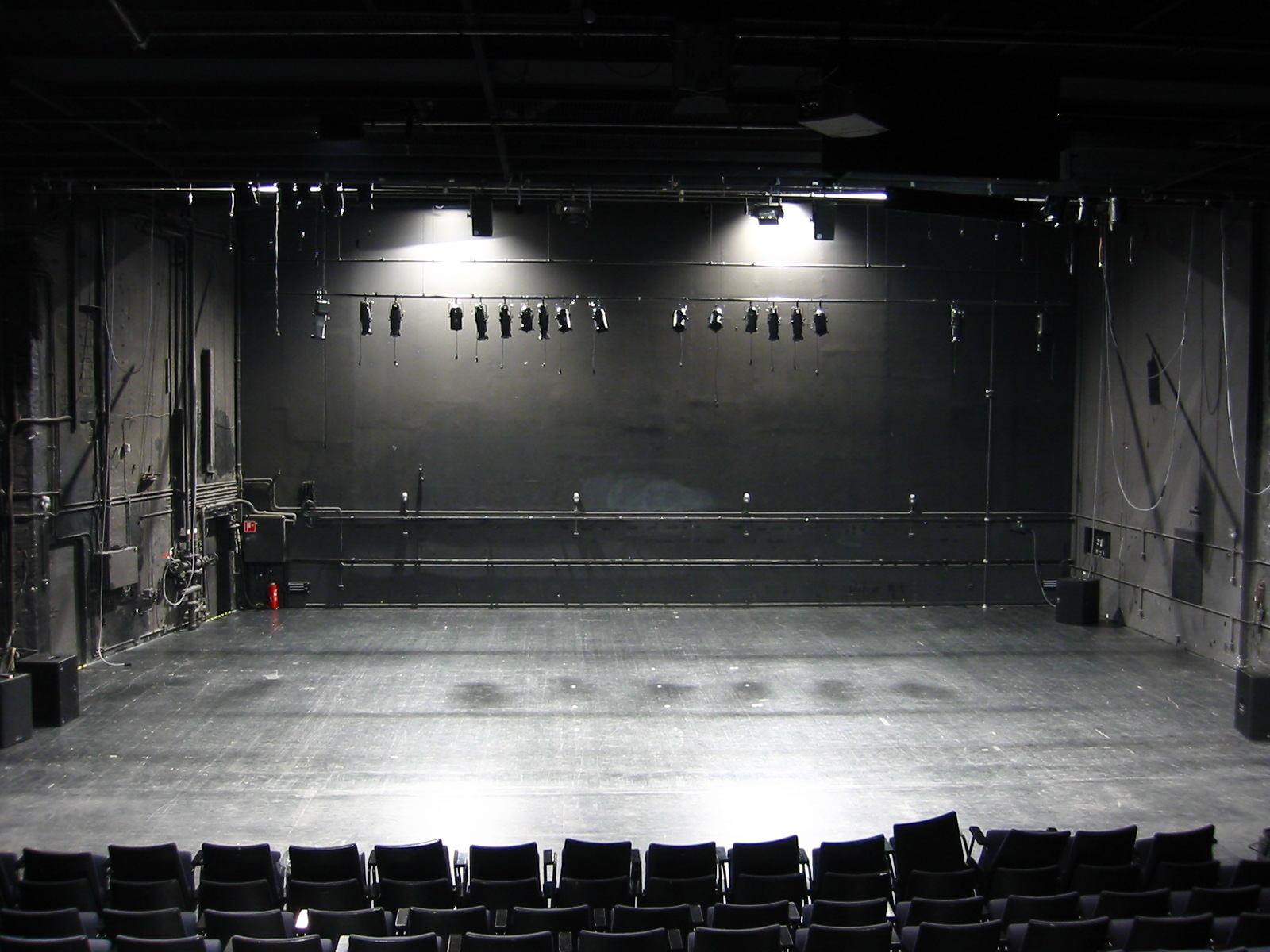
The first time I attended an improvisation theatre workshop, I was caught between excitement and sheer terror.
I had no idea what to expect. Part of me imagined being thrown onto a stage, expected to deliver a well-crafted masterpiece on the spot. Those anxious thoughts couldn’t have been further from reality.
Four years before that moment, I saw my first live improv performance. A few weeks later, I found myself at my first class. And just like that, I was hooked. The freedom, the endless possibilities, and the sheer creativity of it all were intoxicating.
The workshop was held in a function room above a small pub in Jesmond, Newcastle. I arrived at 6:30 PM, even though the class didn’t start until 7:00. I’d love to say it was enthusiasm, but honestly, I needed time to collect myself. Walking into the pub, I nervously asked the barman if there really was an improv class happening—secretly hoping he’d say no. But he confirmed it in the most nonchalant way, clearly not part of this strange, magical world.
Climbing the stairs, I found an empty room with chairs lined around the edges. To my relief, the class organiser was already there. In classic newbie fashion, I cautiously made my way over and asked, “Is this the improv class?”
“It certainly is,” he replied with a welcoming grin. “How did you find us? What made you come along?”
I told him about the live performance I had seen a month earlier. It was one of the funniest, most mesmerizing things I’d ever witnessed. I had also been running a creativity workshop where someone suggested that improv might be my thing. So, here I was.
And from the moment I stepped in, I was welcomed with open arms.
Within just one hour, I felt something shift in me. I couldn’t put it into words at the time, but I knew this was important. If I were a true improviser, I’d have been fully present in the moment instead of mentally drafting this blog post (though here we are).
That night, I practically skipped home, my mind buzzing with questions:
How had this world been hidden from me for so long?
How could I bring it into my own work?
Who else could benefit from improv?
Why don’t more people do this?
Was I just being overly excited, or was this actually life-changing?
I fell asleep with those thoughts swirling, eager for the next session.
For six months, I showed up every week. Each class brought new joy, new discoveries, and deeper connections. The fellow improvisers felt like kindred spirits—people who understood the golden rules that made anything possible. It was pure magic.
So if you’ve ever been curious, I urge you: go find an improv class! Whether you want to build confidence, have the most fun, or simply embrace creativity, it’s worth experiencing.
Go be creative.
Go express yourself.
Go have fun.
(In another post, I’ll explore the key behaviours that make improvisation so powerful—and what leaders can learn from them.)
Related Posts
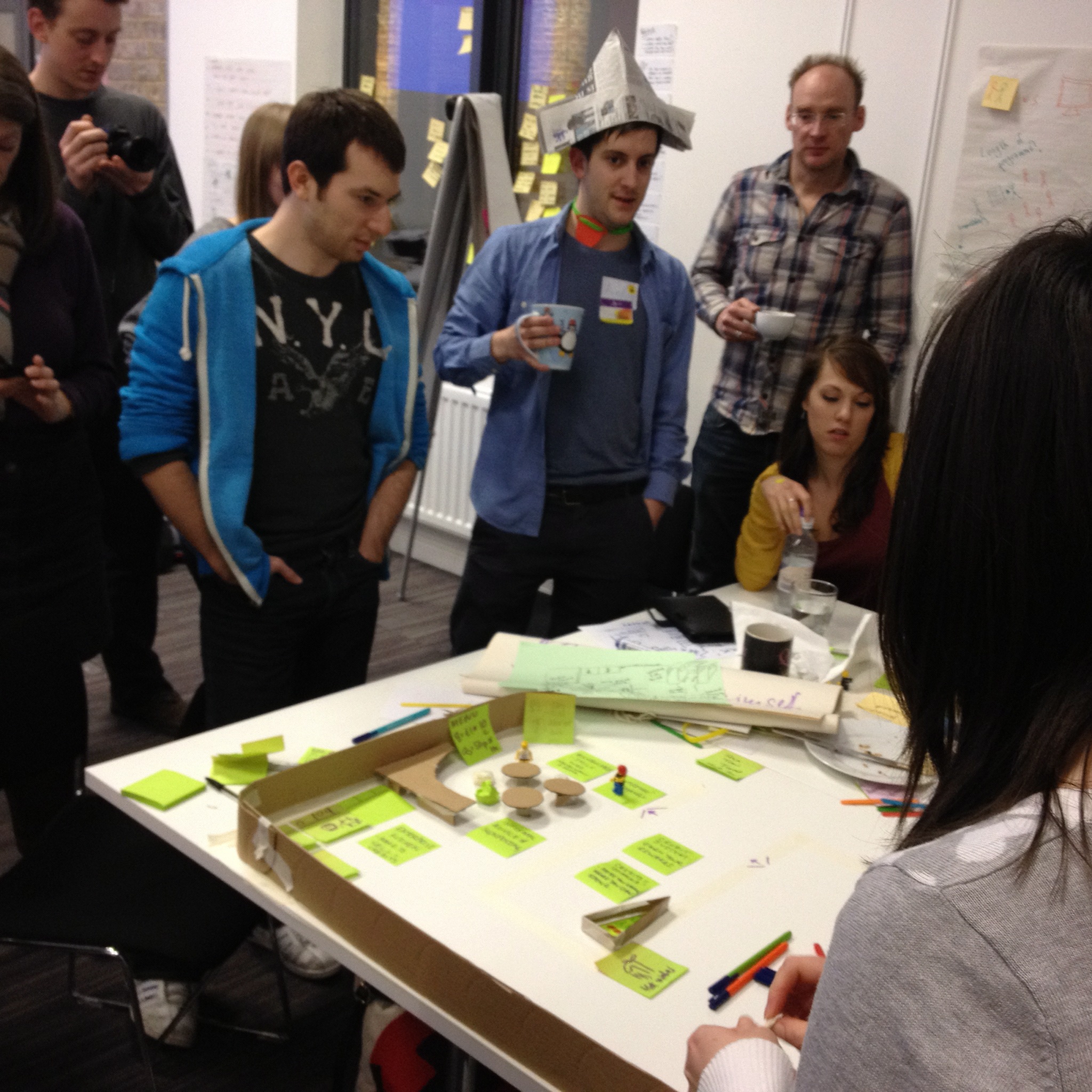
Andy’s 7 Step Guide To Running Hackathons
Introduction Thirteen years ago, I ran into my very first hackathon at the Global Service Jam in Newcastle, 2012. I…

Bringing Leadership to Life: The Power of Creative Profiles
As part of a recent consultancy project, I had the privilege of helping an organization build a stronger global leadership community. With hundreds of leaders…
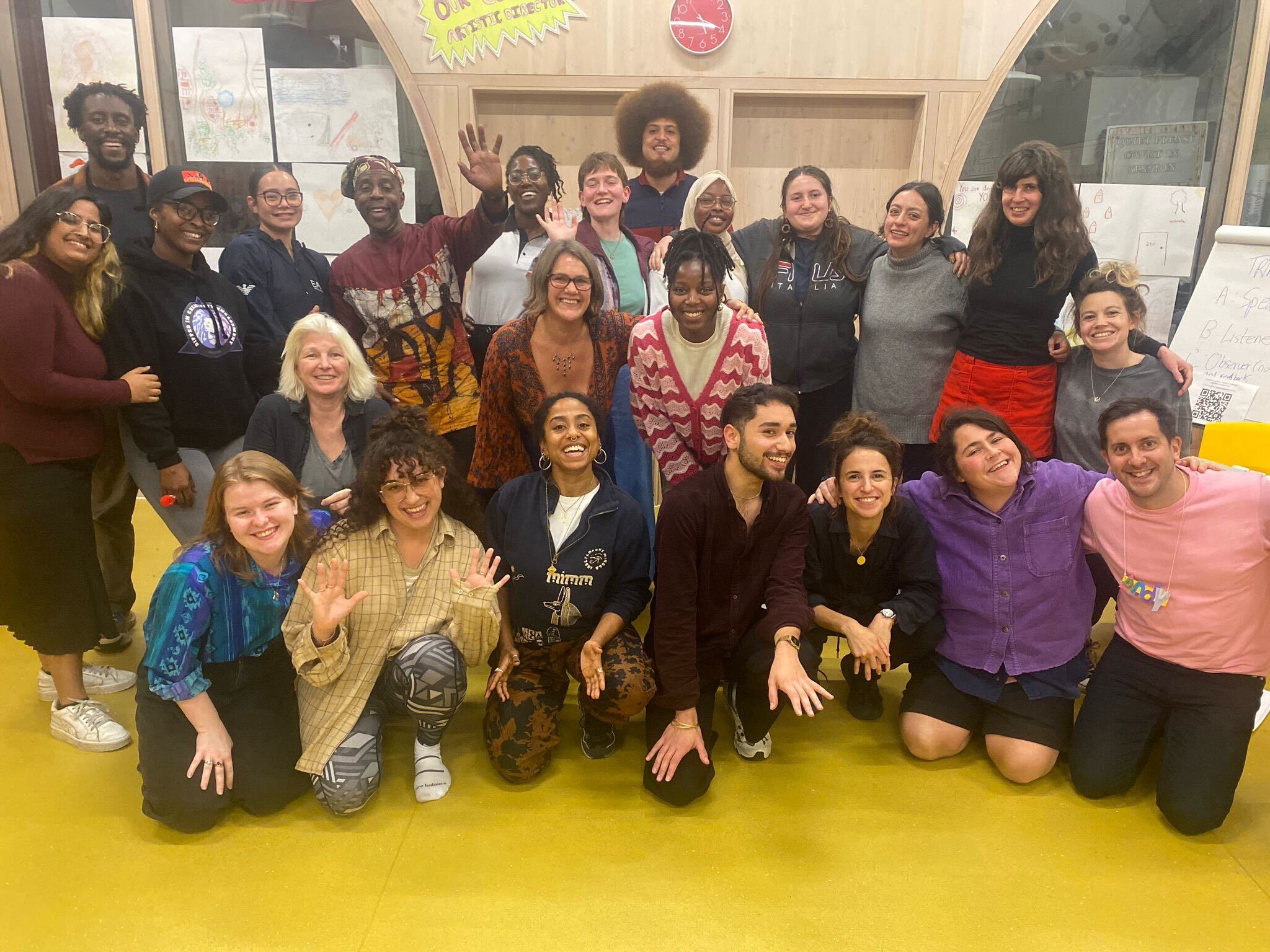
Life Beat Course in Creative Facilitation
Expanding My Facilitation Toolkit Through Play, Creativity & Connection At the end of 2024, I lept into the world of LIFEbeat, many years…