
Andy's Blog
From Overwhelmed to On Track: A Simple Planning Method for Big Thinkers

The Shopping List Secret
You step into the supermarket, list in hand. It’s scribbled on a small piece of paper—clear, concise, and to the point. You know the recipe, how many people you’re cooking for, and exactly what you need.
Your mind is focused, no distractions. You stick to the list, grab what you came for, and check out in minutes. No wandering, no impulse buys, no wasted time. Success.
Now imagine going in without a list. You drift from aisle to aisle, picking up things that “look good” but forgetting key ingredients. You spend more money than intended and leave frustrated, knowing you’ll probably have to come back later.
Planning your day (or any project) works the exact same way.
If you start with clarity, you’ll get more done efficiently. If you dive in without a plan, distractions and inefficiencies will eat up your time.

Planning is a Superpower – Especially If You Underestimate
For many of us—especially creatives, entrepreneurs, and big-picture thinkers—the biggest challenge isn’t coming up with ideas. It’s turning ideas into action without underestimating how long they’ll take.
We often:
🚀 Overestimate how much we can do in a day or time slot.
⏳ Underestimate how long tasks will take.
🎯 Lose focus because we didn’t start with a clear outcome.
The more we practice planning, focus, and time estimation, the more realistic, productive, and stress-free our projects become.
1. OUTCOME: Define the End Goal
What’s your outcome? What is the result you’re aiming for?
If you don’t know exactly what you want to achieve, how can you measure success? Defining your end goal will help you stay focused, especially when creative distractions pop up.
Example:
Instead of “Work on website,” a clear outcome would be:
✔️ Complete the homepage design with copy finalized and images uploaded.
✅ Tip: Write your outcome as if it’s already done. It trains your brain to focus on achieving the result.
2. PURPOSE: Why Does This Matter?
Why are you doing this? Why is it important? Who will benefit?
Clarity of purpose fuels motivation. When you have a strong “why,” you’ll push through challenges and stay committed.
Example
✔️ Finishing my website allows me to attract new clients, grow my brand, and build credibility in my industry.
✅ Tip: If your motivation dips, reconnect with your purpose. A strong why makes even boring tasks meaningful.
3. ACTIONS: Break It Down
What specific steps do you need to take?
Instead of a vague to-do list, break your project into small, actionable steps. This reduces overwhelm and gives you a clear roadmap.
Example:
Instead of “Work on homepage,” break it down into:
✔️ Select homepage layout.
✔️ Write intro section.
✔️ Choose brand images.
✔️ Upload and format content.
✅ Tip: Small, clear actions build momentum and help you avoid procrastination.
4. TIME: Be Realistic About How Long It Will Take
How much time will each step take? How long will the full project take?
Most of us underestimate time because we don’t factor in:
⏳ Thinking & decision-making time
⏳ Unexpected delays
⏳ Energy levels & focus dips
This is where Parkinson’s Law kicks in: “Work expands to fill the time available for its completion.” If you give yourself a full day to finish something, it’ll take a full day. If you set a focused 90-minute sprint, you’ll likely finish in 90 minutes.
Example:
✔️ Write homepage copy – 45 minutes
✔️ Format & edit – 30 minutes
✔️ Upload images – 15 minutes
✅ Tip: Be specific and realistic. Over time, you’ll get better at estimating how long things actually take.
Check out Tony Robbins – Rapid Planning Method here FIND VIDEO
🎯 Free Downloadable – Planning Template
I’ve created an easy-to-use OPAT Template that I print at home and use to plan projects with clarity. A5 size works great for small projects, but use whatever fits your style! Or create your own.
📥 Download Planning Template Here
Related Posts
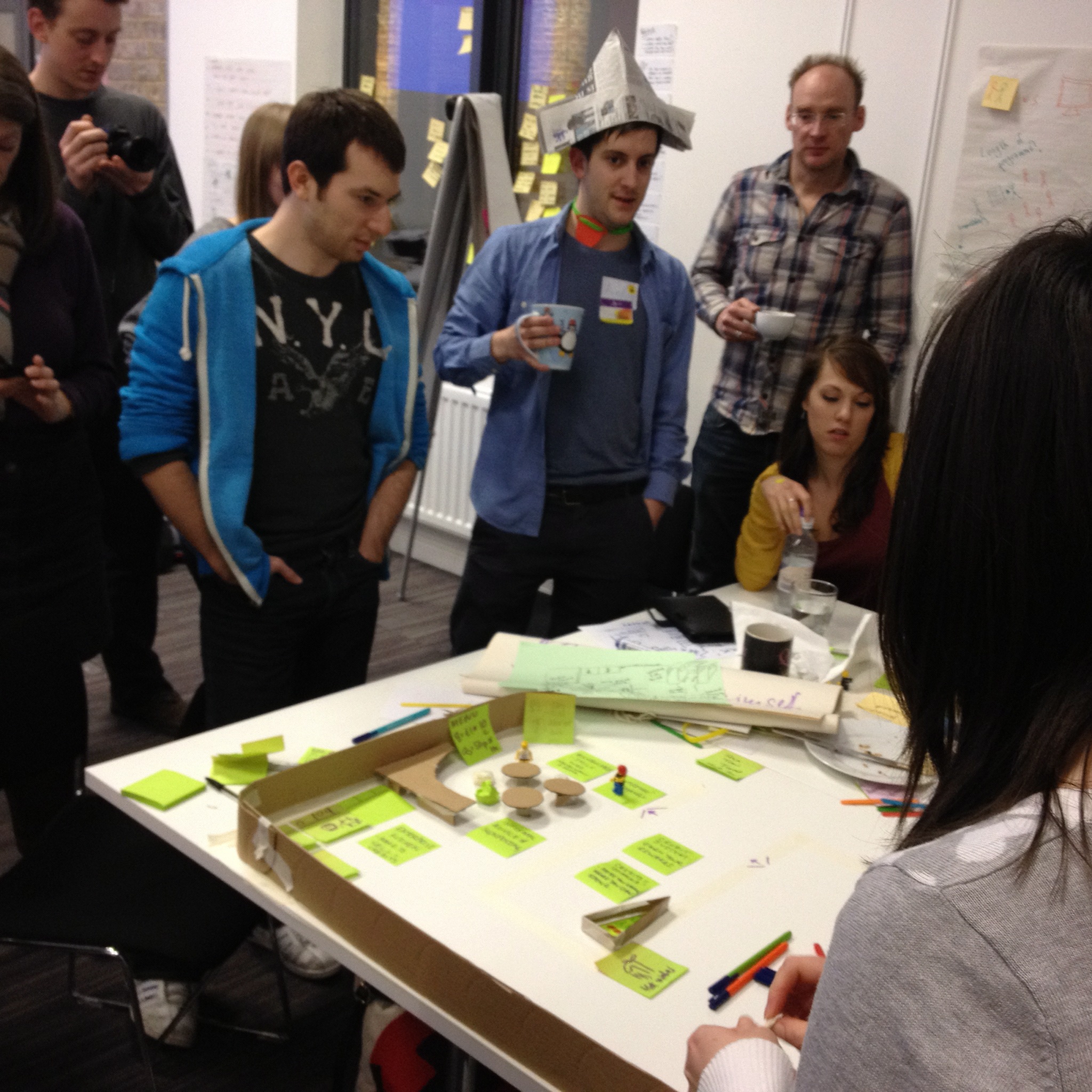
Andy’s 7 Step Guide To Running Hackathons
Introduction Thirteen years ago, I ran into my very first hackathon at the Global Service Jam in Newcastle, 2012. I…

Bringing Leadership to Life: The Power of Creative Profiles
As part of a recent consultancy project, I had the privilege of helping an organization build a stronger global leadership community. With hundreds of leaders…
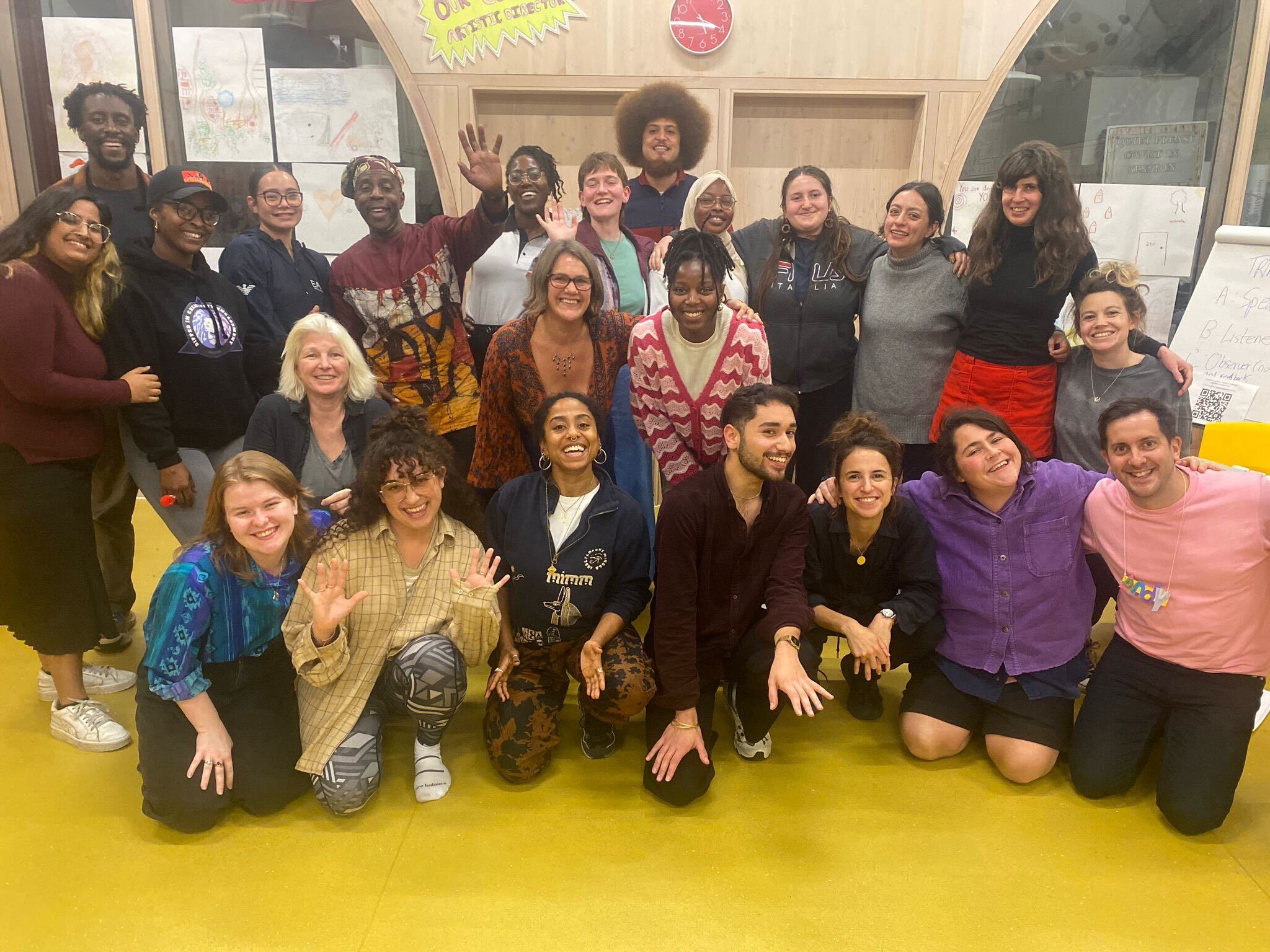
Life Beat Course in Creative Facilitation
Expanding My Facilitation Toolkit Through Play, Creativity & Connection At the end of 2024, I lept into the world of LIFEbeat, many years…