
Andy's Blog
Great Leaders Get People to Help: The Art of Problem-Solving Through Others

Ahead of delivering a leadership training program this week, I wanted to highlight one of the most underrated yet essential skills that great leaders possess: The ability to solve problems—even when they don’t have the answers.
Or in other words:
Getting people to want to help you achieve something you can’t do alone.
Sometimes the limitation is time or money, but more often, it’s expertise. Great leaders don’t try to do everything themselves—instead, they master the art of collaboration, delegation, and influence.
I first discovered the power of this skill when I studied Industrial Design. While it wasn’t a leadership course, it taught me something far greater: the art of getting people to help me do things I couldn’t do alone. I learned how to influence people in a positive and meaningful way so that, together, we could build something bigger than any of us could achieve individually. That experience shaped how I approach leadership to this day.
So, how do you get people to join your mission and bring their skills to the table?
1. Know What You Don’t Know (or Can’t Do)
📌 Self-awareness is a leadership superpower. Great leaders put their ego aside and acknowledge their limitations. They focus on achieving the best outcome, not on getting personal recognition.
Ask Yourself:
- What skills, knowledge, or resources am I lacking?
- Am I holding onto tasks I shouldn’t be?
- Who could do this better than me?
The sooner you recognise what you need help with, the sooner you can bring in the right people.
2. Find the Right People
📌 Be a networking ninja—listen, connect, and build relationships before you need them. The best leaders surround themselves with a diverse network of people with different skills and perspectives.
How to do this:
- Listen when people talk about their work and strengths.
- Stay curious about what others bring to the table.
- Build relationships before you need something.
A strong network allows you to quickly find the right person when a challenge arises.
3. Make It Matter To Them
📌 People don’t help because you need them—they help because they’re inspired to. Engage and motivate people to want to help. Whether it’s a team member, a collaborator, or a mentor, the key is to make the work meaningful for them
Ways to create buy-in:
- Align their skills with a purpose—help them see why their contribution matters.
- Frame it as an opportunity—people love to grow, contribute, and make an impact.
- Acknowledge and appreciate—recognition fuels motivation.
If people feel valued and connected to the mission, they’ll go above and beyond.
4. Lead—and Then Get Out of the Way
📌 Give people the direction they need, then trust them to do their job. Micromanaging skills motivation. Instead, set a clear vision, communicate the why, and then let them own the how.
How to do this effectively:
- Clarify what needs to be done and why it’s important.
- Empower them to make decisions and take ownership.
- Step back and trust their expertise.
If you’ve chosen the right people and made them care, the best thing you can do is support them without controlling them.
Common Leadership Excuses & What to Do Instead
Leadership is about creating solutions, not excuses.
If you catch yourself thinking…
❌ “I don’t know how.” → ✅ Find someone who does.
❌ “I don’t have enough money.” → ✅ Exchange value in another way.
❌ “I don’t have time.” → ✅ Be resourceful or find someone who does.
Final Thoughts
Great leaders don’t do it alone—they build teams, connections, and trust to solve problems together.
What have you managed to accomplish by getting others to help you? Share in the comments—I’d love to hear your experiences!
Here’s to leading with collaboration, not control.
Let’s make solutions happen.
Related Posts
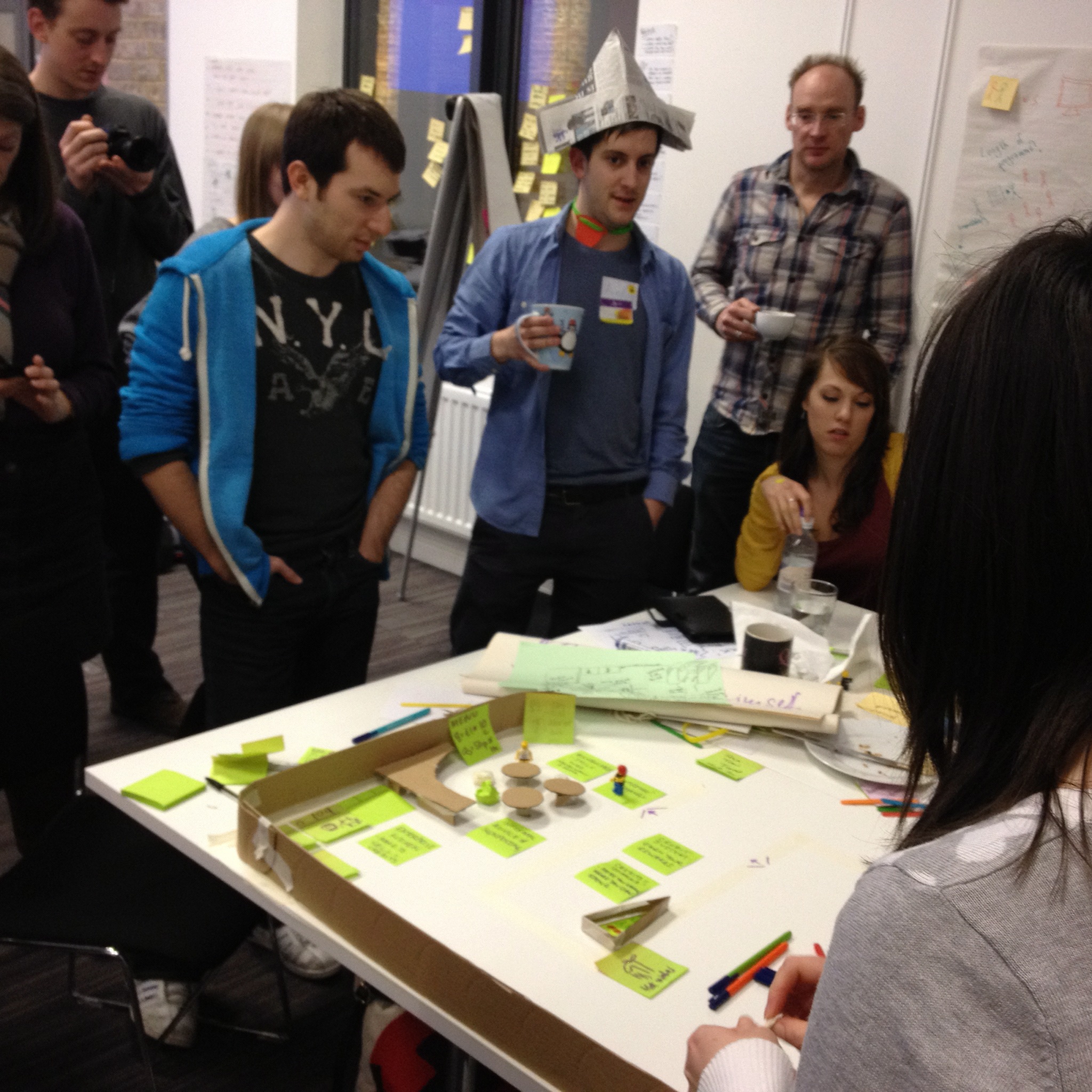
Andy’s 7 Step Guide To Running Hackathons
Introduction Thirteen years ago, I ran into my very first hackathon at the Global Service Jam in Newcastle, 2012. I…

Bringing Leadership to Life: The Power of Creative Profiles
As part of a recent consultancy project, I had the privilege of helping an organization build a stronger global leadership community. With hundreds of leaders…
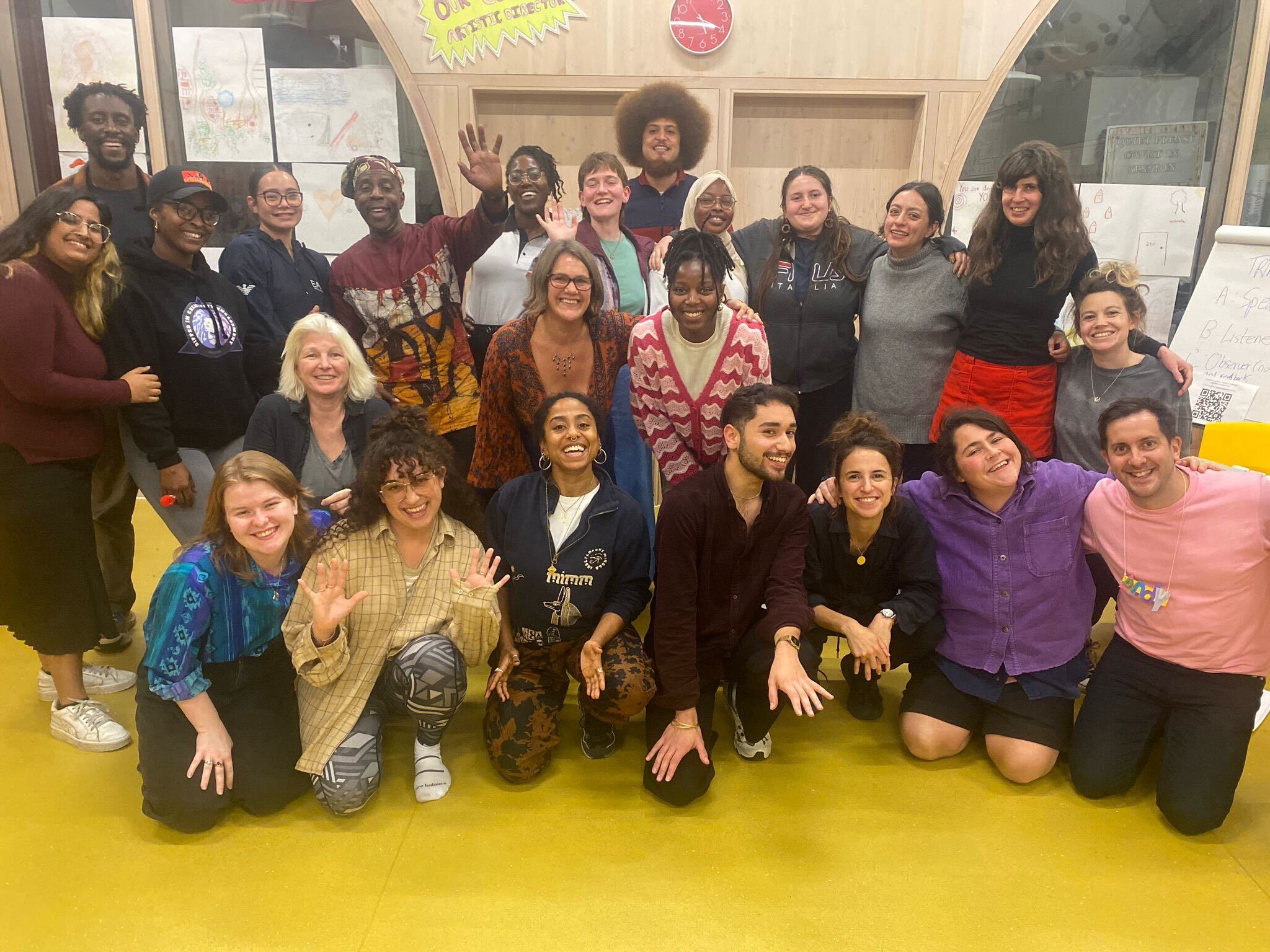
Life Beat Course in Creative Facilitation
Expanding My Facilitation Toolkit Through Play, Creativity & Connection At the end of 2024, I lept into the world of LIFEbeat, many years…