

A few years ago, I was working with a student from China who had grown up in a culture where making mistakes was deeply discouraged—where being wrong was seen as worse than not attempting at all.
She had spent years in an education system that inhibited confidence, diluted self-expression, and reinforced fear of failure. Now, she stood in front of a camera, about to record a short video interview in English—her second language.
I acknowledged her bravery for stepping up, stood nearby with a reassuring stance, and smiled supportively.
The Moment of Fear
The camera started rolling.
She began speaking, her words flowing smoothly—until she stumbled.
She stopped. Froze. Looked at me.
Her eyes were filled with fear and expectation. She expected to see disappointment, judgment, or frustration on my face.
For a moment, she braced herself for failure—assuming that she had let me, the crew, or even herself down.
But then, her eyes met mine.
And something shifted.
A Simple Reassurance, A Profound Impact
I smiled. Genuinely. Warmly. Without a hint of frustration.
Then I said:
“You’re doing really well. It’s okay—take your time and have another go.”
My calm and supportive presence made more of a difference than I could have ever imagined.
She took a deep breath. Relaxed. Started again.
I had no doubt she would get it right on the second or third try—and even if she didn’t, that would be completely okay too.
This moment reinforced something I have believed in for years:
When you make it okay to fail, you inspire people to keep creating.
Why Creating Space for Mistakes Matters
This experience was a powerful reminder that:
✅ The smallest gestures—our tone, expressions, and patience—can transform someone’s confidence.
✅ People often assume they will be judged harshly, even when that’s not the case.
✅ Our response to mistakes defines whether someone feels safe to keep trying or shuts down completely.
The Role of Leaders, Coaches, and Mentors
If you’re a coach, leader, facilitator, teacher, or parent, your reaction to mistakes shapes how others see failure.
Instead of seeing mistakes as shameful, we need to make them:
💡 Stepping stones toward success.
💡 A normal and necessary part of the learning process.
💡 Opportunities for growth rather than signs of inadequacy.
I am deeply grateful to my own teachers and mentors who helped me develop this attitude toward failure – particularly in the realms of youth work, improvisation theatre and enterprise programmes.
Because when we create a culture where failure is safe, we create the conditions for real success, confidence, and creativity.
Final Reflection
- How do you react when someone makes a mistake?
- Do you make it safe for people to try, fail, and try again?
- Who in your life needs reassurance that failure is okay?
Let’s shift the way we see mistakes—not as something to fear, but as something to embrace.
Related Posts
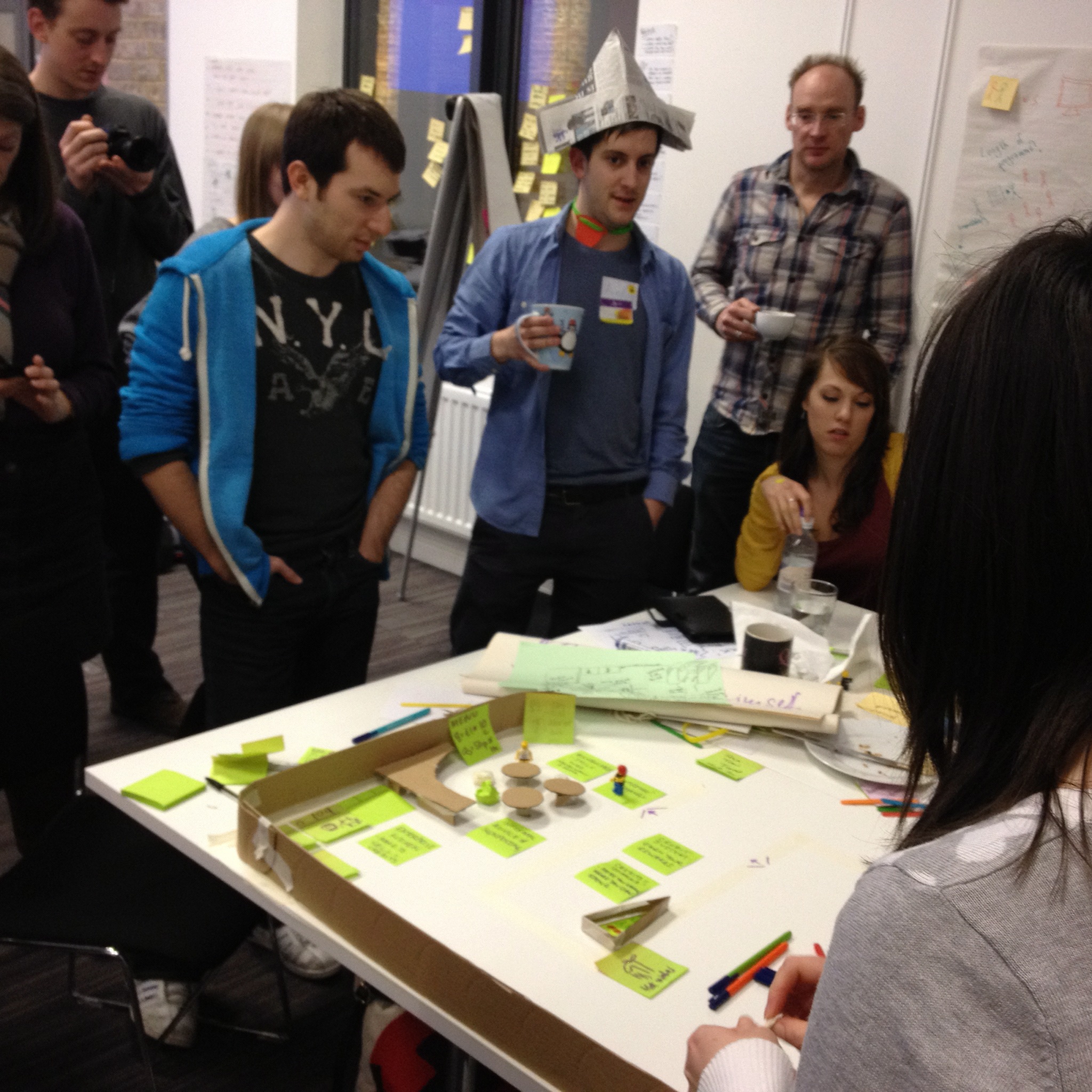
Andy’s 7 Step Guide To Running Hackathons
Introduction Thirteen years ago, I ran into my very first hackathon at the Global Service Jam in Newcastle, 2012. I…
Bringing Leadership to Life: The Power of Creative Profiles
As part of a recent consultancy project, I had the privilege of helping an organization build a stronger global leadership community. With hundreds of leaders…
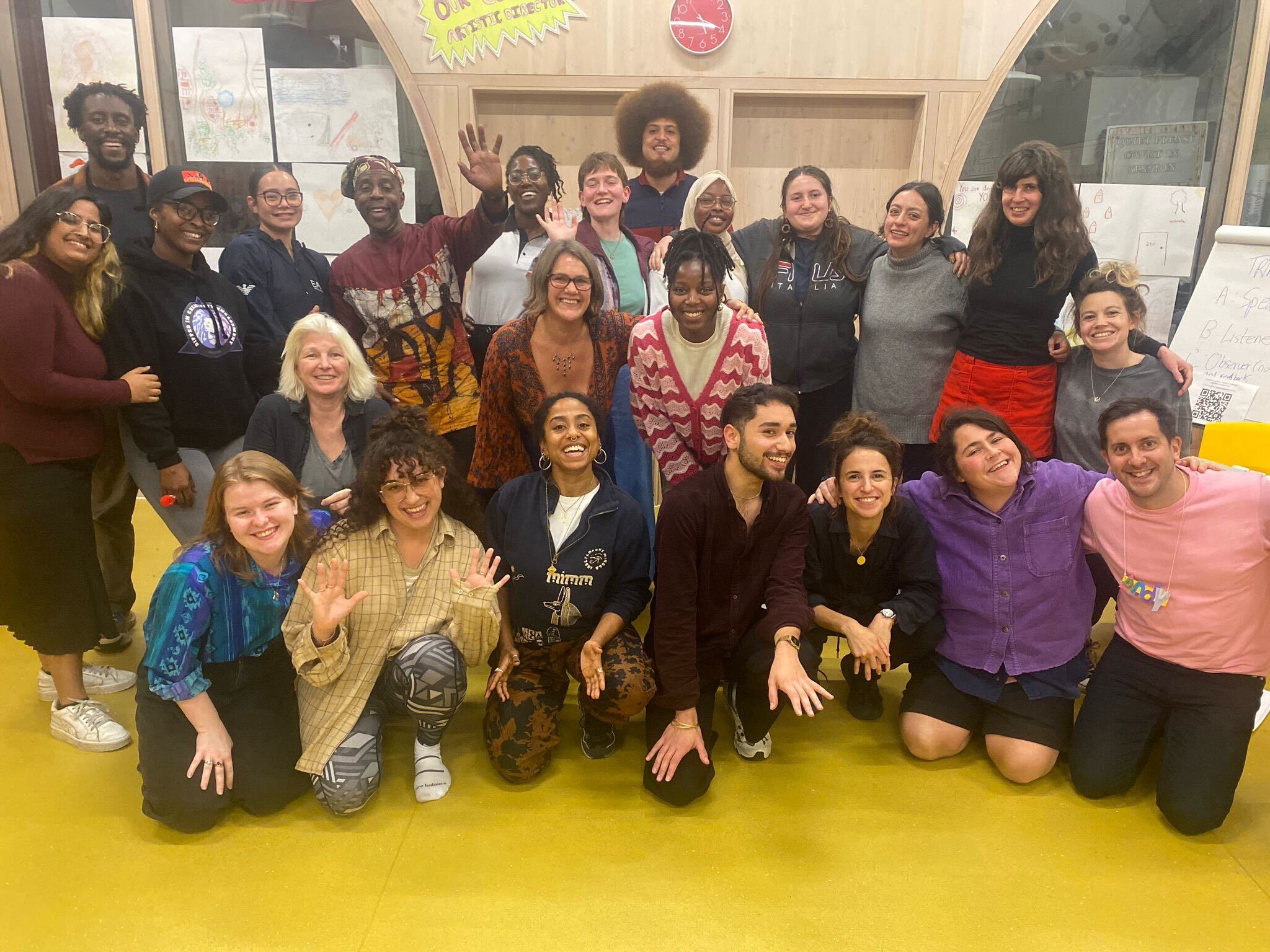
Life Beat Course in Creative Facilitation
Expanding My Facilitation Toolkit Through Play, Creativity & Connection At the end of 2024, I lept into the world of LIFEbeat, many years…