

When a group comes together to make a decision, plan a strategy, or start a project, two common roadblocks can derail progress: egos and loud voices. These challenges stifle innovation, drown out valuable perspectives, and create frustration within teams.
Recently, I was asked how to navigate these situations—how to step in and guide a discussion without overstepping. The answer? Effective facilitation. A structured, intentional approach that ensures all voices are heard and the best ideas emerge, rather than the loudest.
A Real Challenge: Navigating the Noise
Here’s a message I received this week:
“We’ve started having our first meetings for next year, but it’s so difficult because everyone wants to be heard. Most people on our council have big personalities, and the conversation turns into a shouting match. I take a step back because there are already so many loud voices. But I also feel bad, because others are missing out on their say. How do I help fix the problem without overstepping?”
This is a challenge that stops many teams from working effectively. Here are two key strategies I shared:
1) Egos
It’s About the Idea, Not Who Said It
When you have 20 leaders in a room, it can quickly become a battle of egos—who can be the loudest, the smartest, the most influential. Some people are proving something to others, some are proving something to themselves. Either way, it’s not helping the team.
The solution? Shift the focus from competition to collaboration. Remind the group that the best idea should win—not the person who presents it. Innovation comes from collective effort, and great solutions rarely emerge from a room where people are too focused on claiming credit.
⭐ Facilitation Tip: When leading discussions, make it a rule that all ideas belong to the group, not individuals. Reinforce that success is measured by impact, not ownership.
2) Loud Voices
Focus on Solving the Problem, Not Seeking Attention
In any group, the loudest person often dominates the conversation—but that doesn’t mean they have the best ideas. Sometimes, the most valuable insights come from the quietest voices.
To cut through the noise, keep empathy and focus at the core of the conversation. Why are you there? Who are you solving a problem for? When people stay connected to the purpose, rather than the performance, the best ideas surface.
⭐ Facilitation Tip: Instead of open discussions where voices compete, structure the conversation. Try techniques like round-robin sharing, silent brainstorming, or sub-team discussions to give everyone a chance to contribute.
Extra Facilitation Tips
If you step into a facilitation role, here’s how to create a more balanced conversation:
👐🏾 Set the Tone: Clearly state your role as a facilitator. You’re not there to dominate but to guide and ensure everyone has space to contribute.
🗣️ Break Into Small Groups: In large groups, divide into sub-teams to generate ideas, then bring everyone back together to align and refine.
✏️ Use Visuals: Writing things down (on a whiteboard or flip chart) keeps discussions focused, aligns thoughts, and allows quieter voices to contribute through written input.
Final Thoughts
If you’ve ever been in a room where big personalities dominate, you’re not alone. The key to innovation is creating space for all voices. And the key to leadership? Stepping up to guide the conversation when it’s needed.
Have you faced this challenge? What strategies have helped you balance strong personalities in group discussions? 😊
Related Posts
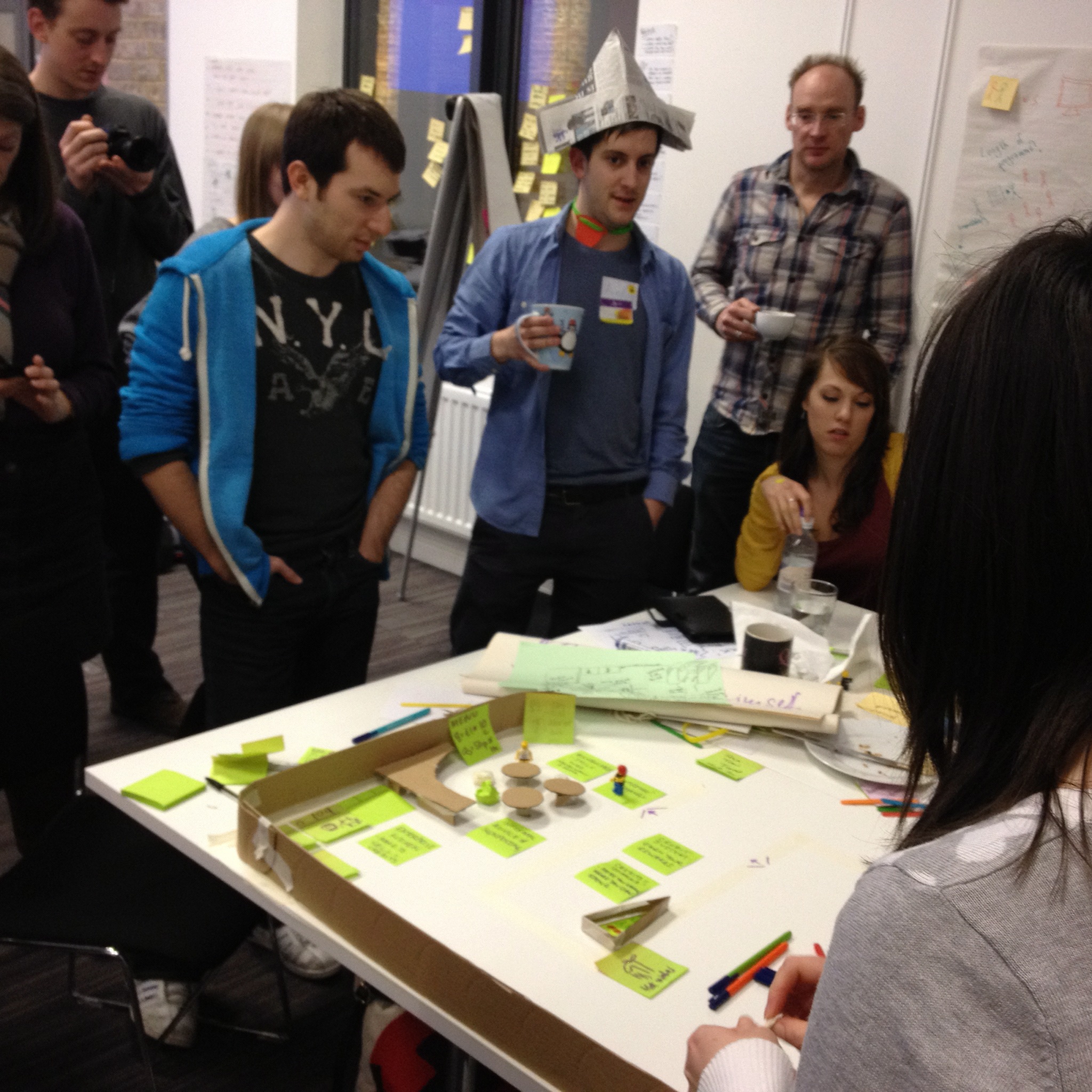
Andy’s 7 Step Guide To Running Hackathons
Introduction Thirteen years ago, I ran into my very first hackathon at the Global Service Jam in Newcastle, 2012. I…

Bringing Leadership to Life: The Power of Creative Profiles
As part of a recent consultancy project, I had the privilege of helping an organization build a stronger global leadership community. With hundreds of leaders…

Life Beat Course in Creative Facilitation
Expanding My Facilitation Toolkit Through Play, Creativity & Connection At the end of 2024, I lept into the world of LIFEbeat, many years…