
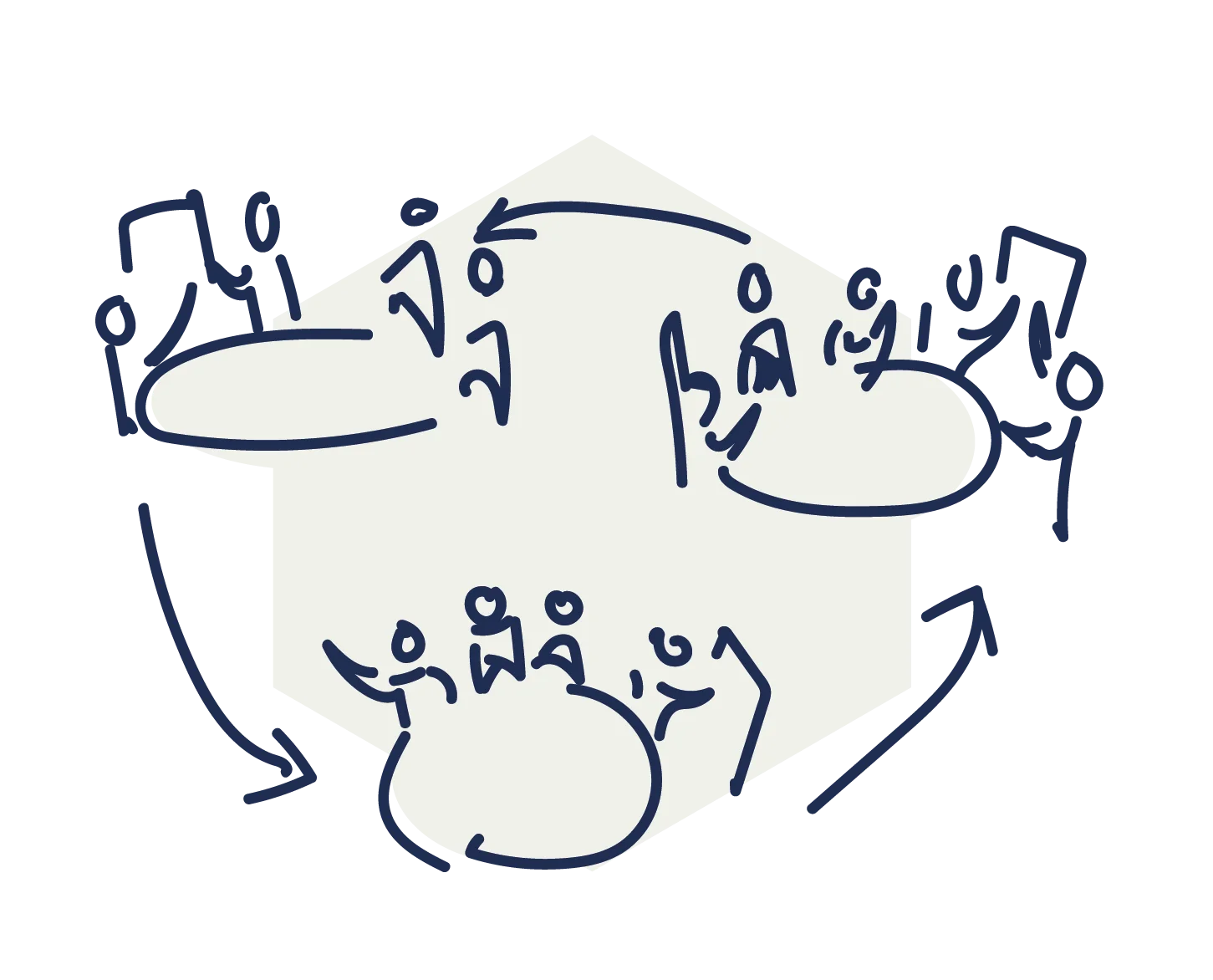
In today’s fast-paced business landscape, fostering creativity and innovation is essential for companies to stay competitive. Whether you’re planning a business off-site, a brainstorming retreat, or a problem-solving seminar, the format you choose can significantly impact the outcomes.
Over the last decade both led and being a participant in all 5 of these different methods outlined below. Increasingly, as we transition into more remote working, there becomes a more significant opportunity for in-person events to be extra special and highly useful!
To help you design an engaging and effective event, here are 5 innovative formats that encourage collaboration, ideation, and meaningful discussions.
1. World Café
The World Café is a structured conversational process designed to facilitate open dialogue and knowledge sharing. Small groups discuss a central topic at individual tables, rotating periodically to cross-pollinate ideas. A host at each table summarizes key takeaways before new participants join. Check out WorldCafe for full a description and seven integrated design principles.
This method thrives on the power of collective intelligence. By rotating between conversations, participants build on each other’s ideas, leading to deeper insights and unexpected connections. The informal, café-style setting reduces pressure and fosters open dialogue, making even the quietest voices feel heard. As a facilitator, your role is to guide the flow—not control it. Trust in the organic nature of the discussions, and you’ll be surprised at the richness of the ideas that emerge!
Skills For Facilitators
- Active Listening: Summarizing and synthesizing key themes across different conversations.
- Creating a Welcoming Environment: Ensuring participants feel comfortable sharing ideas openly.
- Encouraging Flow: Gently guiding discussions without dominating or over-structuring them.
- Pattern Recognition: Identifying emerging themes from different tables and helping participants connect ideas.
Best For
- Generating diverse ideas in a relaxed, informal atmosphere
- Encouraging knowledge sharing across different teams
- Building on previous discussions to develop refined insights
How It Works
- Define a core question(s) or a theme for discussion.
- Arrange participants into small groups at different tables.
- Engage in time-bound discussions before rotating to new tables.
- Hosts summarise the evolving conversations.
- Conclude with a collective reflection on key insights.

2. Hackathons
A hackathon is an intensive, time-bound event where participants collaborate to tackle challenges, develop prototypes, or generate innovative solutions. Originally popular in the tech industry, hackathons are now widely used across various fields to encourage problem-solving.
Hackathons work because they create a sense of urgency and excitement, which fuels creativity and rapid problem-solving. The time constraint forces teams to prioritize and iterate quickly, breaking through traditional bureaucratic barriers. Collaboration happens naturally, as diverse skill sets come together to build something tangible. The key? Encourage a spirit of experimentation—failure isn’t a setback, but a step toward an innovative breakthrough!
Skills For Facilitators
- Energy Management: Keeping the momentum high while helping teams avoid burnout.
- Time Management: Ensuring teams stay on track within the time constraints.
- Conflict Resolution: Helping teams navigate disagreements while maintaining a creative and collaborative spirit.
- Encouraging Experimentation: Creating a safe space where failure is seen as a learning opportunity.
Best For
- Rapid prototyping and solution development
- Driving innovation in tech, business, or social impact initiatives
- Engaging cross-functional teams in hands-on collaboration
How It Works
- Define a challenge or problem statement.
- Form small teams with diverse skill sets.
- Work within a set timeframe (1-3 days) to create a solution, prototype, or pitch.
- Present or demonstrate solutions to stakeholders or judges.
3. Design Sprint
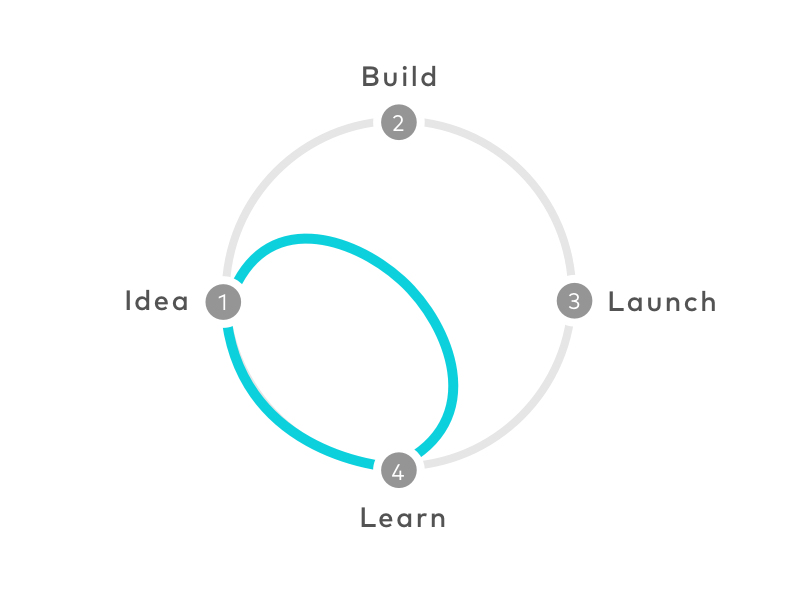
The Design Sprint is a structured five-phase process that helps teams quickly validate ideas through rapid prototyping and user feedback. Developed by Google Ventures, it is a proven method to solve complex business challenges efficiently.
Design Sprints compresses months of decision-making into a structured, high-energy process. By focusing on action rather than endless discussion, teams move quickly from problem to prototype. The magic lies in its user-centric approach—real feedback from real people ensures that solutions are viable before full-scale implementation. Stick to the process, trust the steps, and watch how it eliminates guesswork while unlocking creative solutions.
Skills For Facilitators
- Structure & Discipline: Keeping participants aligned with the structured five-phase process.
- Decision-Making Support: Helping teams quickly converge on the best ideas without overanalysing.
- User-Centric Thinking: Encouraging teams to stay focused on solving real user problems.
- Iterative Mindset: Helping participants embrace testing, feedback, and rapid iteration.
Best For
- Testing ideas before full-scale implementation
- Solving critical business challenges quickly
- Enhancing collaboration between designers, developers, and strategists
How It Works
- Understand: Define the problem and objectives.
- Sketch: Brainstorm and visualise potential solutions.
- Decide: Select the most promising ideas to develop.
- Prototype: Create a minimal viable version of the solution.
- Test: Gather feedback from real users and iterate accordingly
4. Open Space Technology
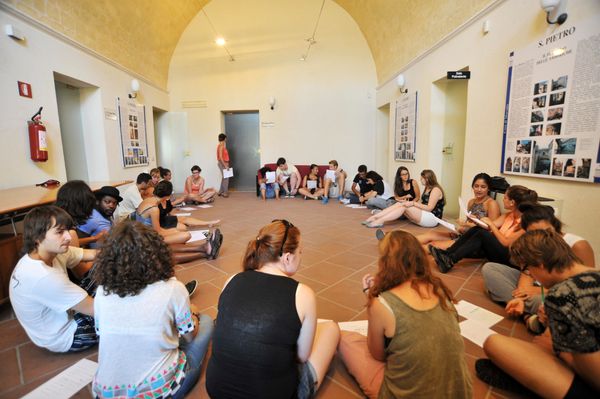
Open Space Technology (OST) is an unstructured approach where participants set the agenda and self-organize into discussion groups based on shared interests. It is particularly effective when there is no single right answer or predefined agenda.
This approach taps into intrinsic motivation. People discuss what they truly care about, leading to engaged conversations and committed action. It’s flexible, allowing for unexpected connections and innovations to emerge. Remember, as a facilitator, your job in OST is to create the space and then… step back. Trust the process and watch the magic unfold!
Skills For Facilitators
- Comfort with Ambiguity: Being okay with the lack of a set agenda and trusting the process.
- Encouraging Self-Organization: Supporting participants in forming groups and driving discussions.
- Holding Space: Facilitating without controlling—stepping back while keeping energy flowing.
- Adaptive Leadership: Responding to emerging dynamics and letting the conversation evolve organically.
Best For
- Exploring complex issues with no clear solutions
- Fostering organic, self-directed discussions
- Encouraging engagement and diverse perspectives
How It Works
- Participants propose topics they want to discuss.
- Groups form organically around these topics.
- Discussions evolve dynamically with no strict facilitator.
- Outcomes are documented and shared with the wider group.
5. Unconference
Unlike structured conferences, an unconference is a participant-driven format where attendees shape the content and discussions. This flexible structure empowers attendees to explore topics they find most relevant, rather than passively consuming predefined presentations.
This format works because it empowers people to engage with topics they find meaningful, leading to more passionate discussions and actionable outcomes. With no rigid hierarchy, expertise flows freely, and knowledge-sharing happens organically. Embrace the unpredictability—sometimes the most valuable insights come from the most unexpected conversations!
Skills For Facilitators
- Flexibility & Adaptability: Being comfortable with last-minute agenda changes and fluid discussions.
- Encouraging Participation: Helping participants feel empowered to lead sessions and contribute.
- Peer-to-Peer Facilitation: Shifting from a top-down role to one that supports knowledge-sharing among attendees.
- Trusting the Process: Allowing organic conversations to unfold rather than forcing structure.
Best For
- Encouraging peer-to-peer learning and networking
- Breaking away from rigid corporate seminar structures
- Adapting discussions in real time based on participant interest
How It Works
- At the start of the event, attendees propose session topics.
- Participants vote on the most interesting sessions.
- Sessions are led by volunteers rather than traditional speakers.
- Discussions and outcomes are documented for future reference.
Choosing the Right Format for Your Event
The right event format depends on your goals, audience, and desired level of structure.
- If you need structured yet interactive conversations → World Café
- If you want rapid problem-solving and hands-on creation → Hackathon
- If you’re tackling a complex challenge and need quick validation → Design Sprint
- If you want flexibility and participant-driven discussions → Open Space or Unconference
Related Posts
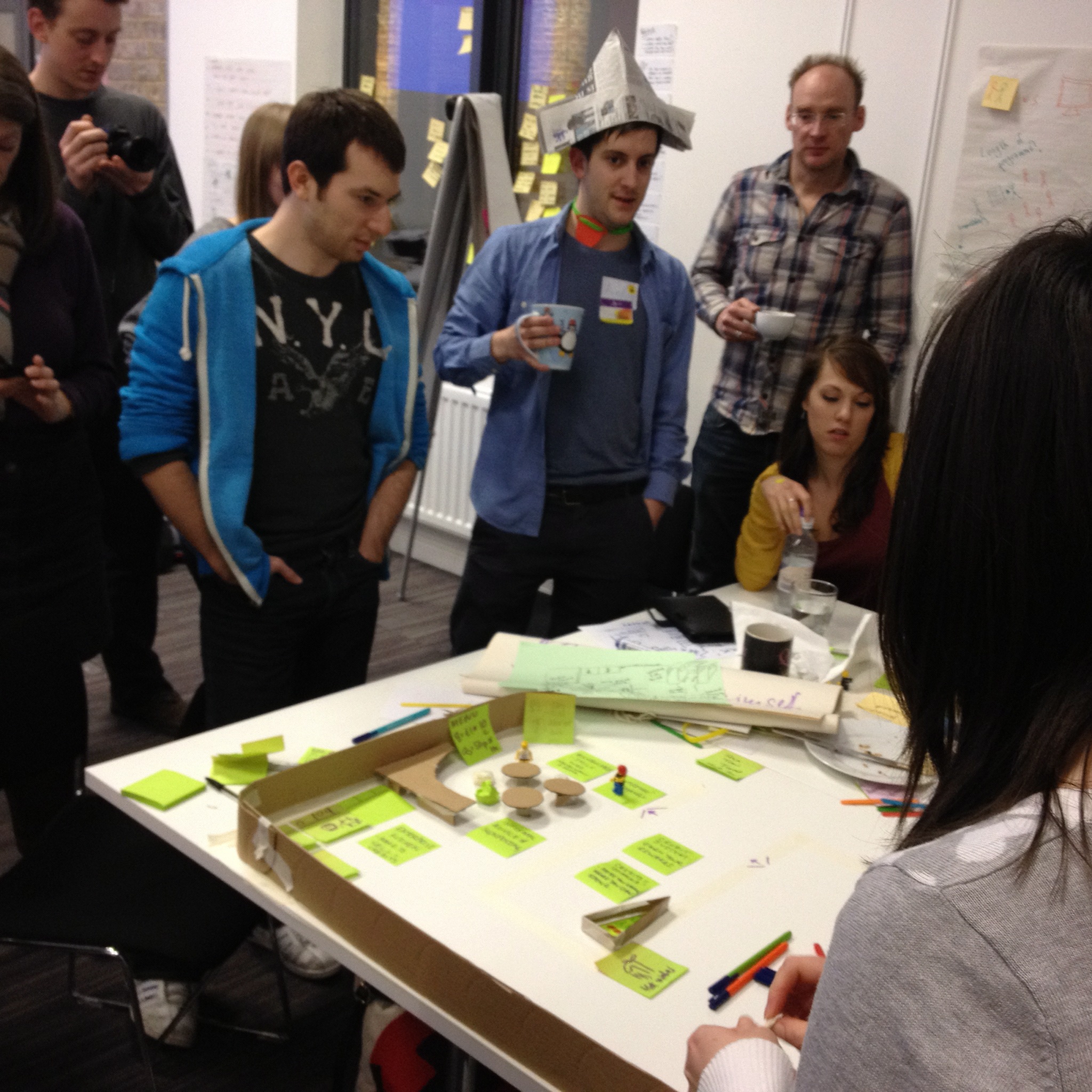
Andy’s 7 Step Guide To Running Hackathons
Introduction Thirteen years ago, I ran into my very first hackathon at the Global Service Jam in Newcastle, 2012. I…

Bringing Leadership to Life: The Power of Creative Profiles
As part of a recent consultancy project, I had the privilege of helping an organization build a stronger global leadership community. With hundreds of leaders…
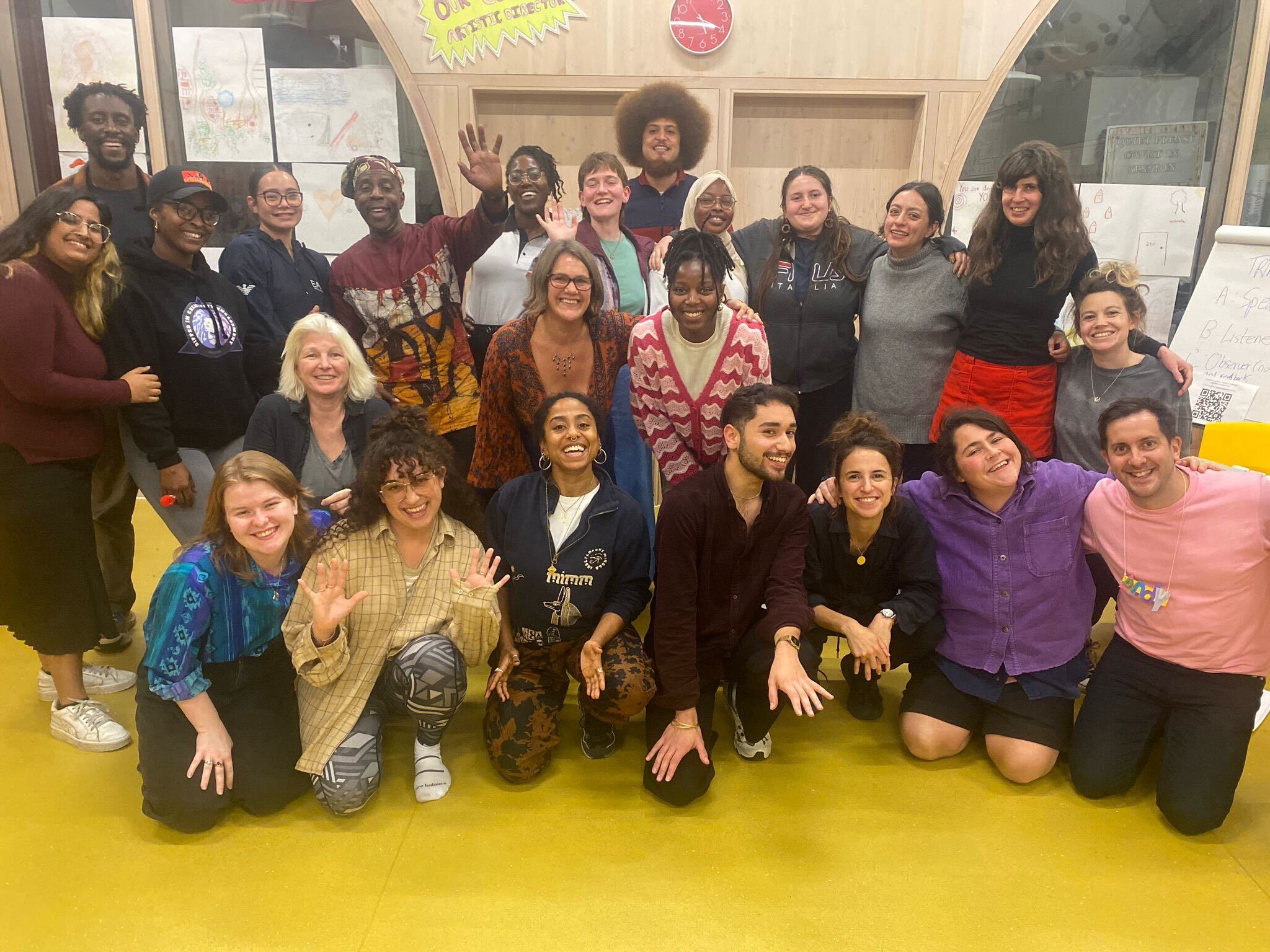
Life Beat Course in Creative Facilitation
Expanding My Facilitation Toolkit Through Play, Creativity & Connection At the end of 2024, I lept into the world of LIFEbeat, many years…