
Andy's Blog
Money & Mindset: What I Learned (and Didn’t Love) at Millionaire Mindset Intensive

As a creative person who cares about making a difference in the world, the idea of attending a seminar all about money initially made me cringe. It’s easy to picture an American-style, high-energy, almost cult-like event where people chant about wealth and financial success, as if manifesting millions were as simple as shouting it into existence.
A Seminar About Money? Really?!
For many people in the arts, entrepreneurship, and purpose-driven work, our relationship with money is a complicated one. We’re drawn to passion, creativity, and impact—not chasing financial gain for its own sake. And yet, the starving artist narrative isn’t all that inspiring either.
I realized that understanding money doesn’t mean compromising creativity or purpose. Instead, it’s about mastering financial freedom so we can do more of the work we truly love. That’s what led me to attend Millionaire Mindset Intensive—not because I wanted to obsess over making millions, but because I wanted to shift my relationship with money in a way that empowered me.
What is Millionaire Mindset Intensive?
Millionaire Mindset Intensive (MMI) is a three-day transformational seminar designed to:
- Master the psychology of wealth (because our mindset dictates how we handle money).
- Understand how our beliefs shape financial success (and how to rewrite limiting ones).
- Develop practical strategies to manage money effectively (without financial stress).
The “FREE” event is created by T. Harv Eker, a well-known personal development figure and author of Secrets of the Millionaire Mind. His approach focuses on financial conditioning—the subconscious beliefs we inherit about money from childhood, culture, and environment.
What I found intriguing was that the event wasn’t just about money strategies—it was about psychology. It wasn’t just “here’s how to make money”; it was “here’s how your mindset, conditioning, and beliefs about money are shaping your financial reality.”

Day 1
The first day focused on unpacking our deep-seated beliefs about money—many of which operate on autopilot, shaping our financial habits without us realising it.
We explored questions like:
- What did you hear about money growing up?
- What emotional response do you have to money? (Excitement? Fear? Indifference?)
- Do you see money as good or bad?
- Are you a spender, saver, avoider, or risk-taker?
Many people in the room had patterns that traced back to childhood experiences. Some grew up with scarcity thinking, always fearing that money would disappear. Others spent recklessly, unable to hold onto what they earned. And then there were those who outright resented money, seeing it as the root of greed, power, or inequality.
This was eye-opening. It made me question how many of my own financial behaviors weren’t actually mine—but ones I had inherited without realising it.
Day 2
Once we understood our money conditioning, the next step was rewiring it. This was done through a structured process of belief transformation:
- Identify existing limiting beliefs. (Write them down. Face them.)
- Recognize how they’ve been shaping your financial behavior.
- Create enough emotional reason to change. (Magnify the cost of staying stuck.)
- Replace old beliefs with empowering ones.
- Reinforce new beliefs through daily conditioning.
- Live in alignment with them.
I’ll be honest—some of the methods used were a bit too much for me. I’m not someone who enjoys over-the-top chanting, high-energy “brainwashing” techniques, or theatrical motivational tactics. It felt excessive at times.
But beneath the hype and theatrics, the core message was valuable:
✅ Our financial results are a direct reflection of our mindset.
✅ Money is neither good nor bad—it’s just a tool.
✅ If you don’t take control of your money, it will control you.
For creatives, entrepreneurs, and impact-driven people, this is an essential conversation. Because financial security means we can keep creating, innovating, and giving back—without the constant stress of survival.
Day 3
The final day moved into practical money strategies—budgeting, saving, investing, and building financial independence. At this point, I found myself learning a lot, but also becoming more aware of the intense sales tactics creeping in.
Millionaire Mindset Intensive is a free event, and that’s where the catch lies. They give you 30% of the content and then dangle the remaining 70% in front of you with urgency, fear, and high-pressure sales tactics.
- They try to spin you into a heightened state—music, movement, emotional stories.
- They create a sense of urgency—“You NEED this now or you’ll regret it forever.”
- They paint extreme stories—people whose lives either transformed or crumbled based on this one decision.
- They push people to buy on impulse, often encouraging them to pull out credit cards on the spot.
This part made my stomach churn. I deeply believe in investing in learning and growth—but I also believe in conscious, intentional decisions. Seeing people get swept into high-pressure financial commitments they hadn’t fully processed didn’t sit well with me.
One thing that stood out was their direct acknowledgment of the selling. At the start, they said:
“If you don’t want to buy anything, that’s fine. But instead of sitting there and complaining, pay attention to how we’re doing it. Learn from it.” That was interesting (even if a clever reverse psychology technique) – I chose to observe their techniques rather than get caught up in them.
Final Thoughts: Was It Worth It?
What I Gained:
~ A deeper awareness of my money mindset & behaviors.
~ The importance of rewriting limiting financial beliefs.
~ Practical insights into managing money effectively.
~ A realization that mastering money isn’t about greed—it’s about freedom.
What I Struggled With:
⚠️ The over-the-top theatrics and high-energy conditioning.
⚠️ The aggressive upselling & sales tactics.
⚠️ The potential for people to make impulsive financial decisions under pressure.
Would I recommend it?
~ Yes—if you go in with awareness.
~ Yes—if you’re willing to filter what works for you and leave the rest.
~ Yes—if you see money as a tool for greater creative and personal freedom.
But go in with your eyes open. Absorb the powerful lessons, but don’t get swept into hype-driven decision-making.
Ultimately, our mindset around money can either empower us limit us. And for those of us who want to create, contribute, and do meaningful work, mastering our finances isn’t about becoming greedy—it’s about removing financial stress so we can focus on what truly matters.
Related Posts
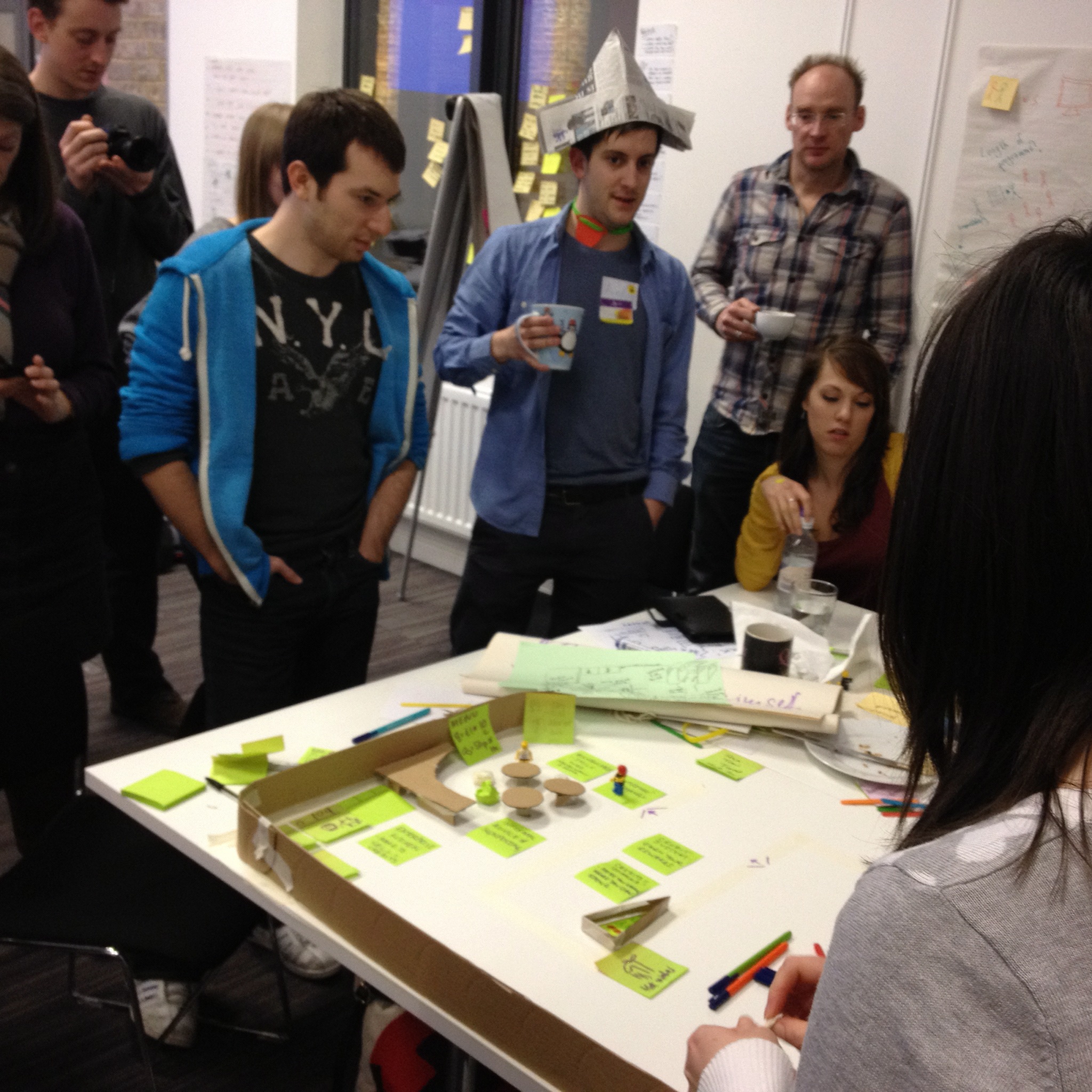
Andy’s 7 Step Guide To Running Hackathons
Introduction Thirteen years ago, I ran into my very first hackathon at the Global Service Jam in Newcastle, 2012. I…
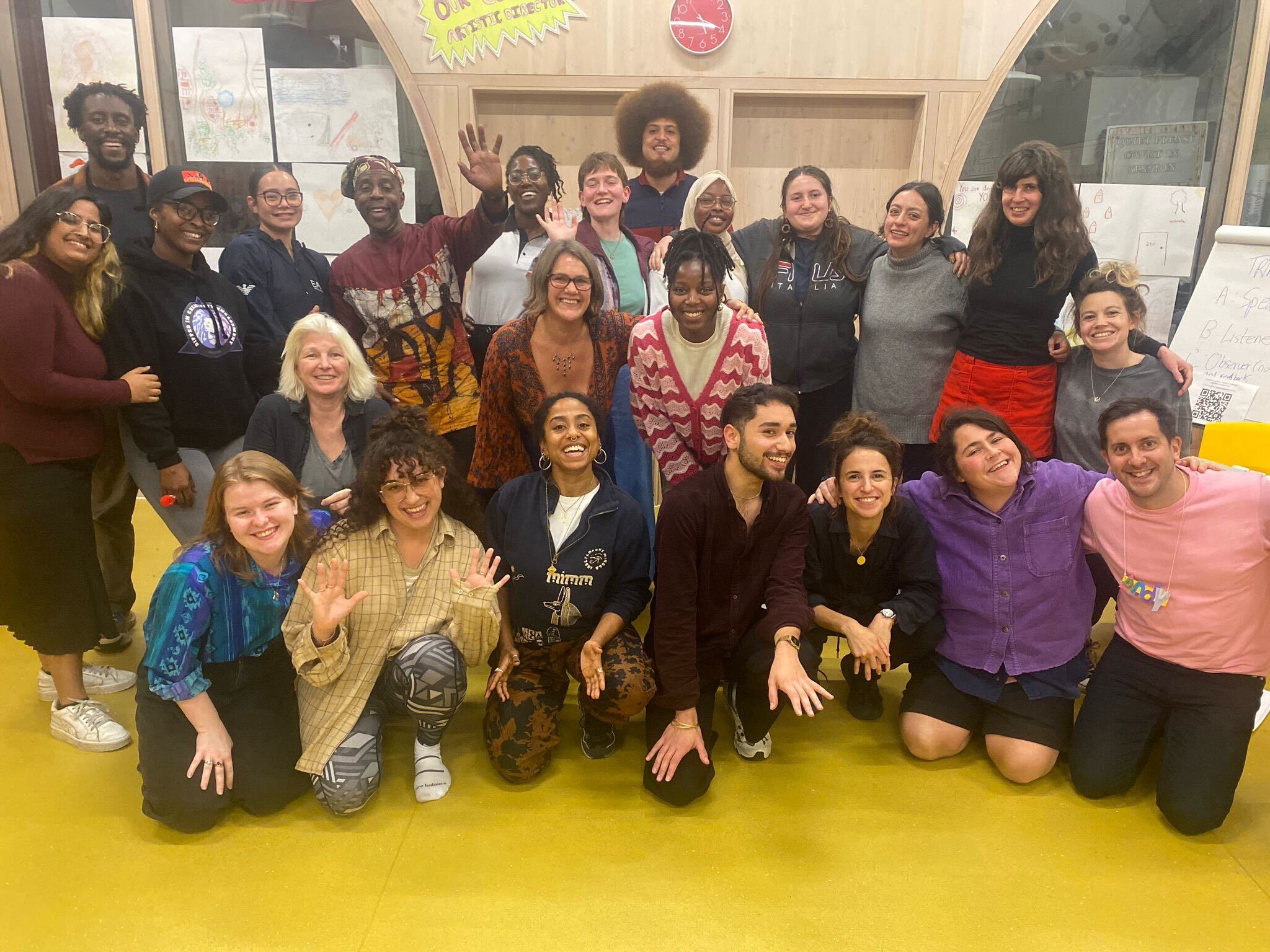
Life Beat Course in Creative Facilitation
Expanding My Facilitation Toolkit Through Play, Creativity & Connection At the end of 2024, I lept into the world of LIFEbeat, many years…

Books I Read In 2024
As 2024 comes to a close , I thought I’d reflect on the books I’ve read or listened to this year. *This isn’t a marketing or…