
Should You Care Less About Your Creative Work to Avoid the Pain of Rejection?
This week I was coaching a designer at a large sportswear brand, as part of a Leadership Coaching programme, when he asked me a question that many creatives have wrestled with.
“If I keep pouring love and passion into my work, it hurts when my ideas are rejected. Should I put less love into it so it hurts less if my ideas aren’t appreciated?”
A fair question. A natural response to creative rejection.
My answer was short and firm: “No.”
As a designer, being creating is huge part who you are. Your work thrives on love and passion—they fuel innovation, originality, and purpose. Without them, your work becomes diluted, and more dangerously, you risk losing a part of yourself.
Working at a global brand is both an incredible privilege and a unique challenge. You have the opportunity to influence a worldwide audience, but you also have to navigate the constraints and realities of corporate decision-making.
So, instead of putting less love into your work, focus on these two things instead:
1. Improve How You Present & Communicate Your Ideas
At the heart of most creative frustrations is a misunderstanding—a gap between intention and perception. A rejected idea is not necessarily a bad idea. It may not fit the brand’s strategy, consumer demands, or current business goals. Or, it may be about how it was presented.
“People often have a positive intention behind what they do, even if it doesn’t come across that way at the time. Understanding that perspective can greatly enhance how we deal with negative feelings.”
Ask yourself:
– Am I clearly articulating the thought process behind my designs?
– Am I engaging in open dialogue with my manager about my creative vision?
– Am I seeking clarity on why a decision was made instead of assuming rejection means failure?
Mastering communication and collaboration is just as important as mastering design itself.
2. Learn to Process the Emotions of Feedback
Feedback can trigger frustration, sadness, anger, or disappointment—all valid emotions. But those emotions can either fuel creativity or drain your energy.
I said something along the lines of:
“I’m not saying it’s nice or easy to sit with these feelings, nor am I condoning poor feedback skills from your manager (if they are poor). What I am saying is there is always an opportunity to dig deeper into the feedback and use it as a catalyst for moving forward.”
The key is to reframe feedback. Instead of seeing it as a personal attack on your abilities, try viewing it as a stepping stone toward improvement.
Consider this approach:
– Acknowledge your feelings instead of suppressing them.
– Extract any valuable insights from the feedback.
– Use it to refine and strengthen your creative approach.
3. Zoom Out To See The Bigger Picture
If you strive to push boundaries, innovate, and create work that truly connects with people, you have to understand the bigger picture.
Designing for a global brand isn’t just about personal artistic expression—it’s about:
✔ Aligning with brand guidelines and identity.
✔ Understanding consumer preferences and market trends.
✔ Balancing creativity with sales, budgets, and commercial viability.
“Design is the gold that creates a connection between people’s hearts and their life aspirations.”
That’s a powerful thing to be part of. Don’t lose sight of the creative gifts you have.
While your creative skills continue to grow, so should your ability to communicate effectively, reason through challenges, and process feedback without losing momentum.
Instead of protecting yourself from rejection by caring less, focus on strengthening the way you share your ideas, navigate feedback, and remain deeply connected to your creative purpose.
I hope this helps. Keep the love alive!
~ Andy
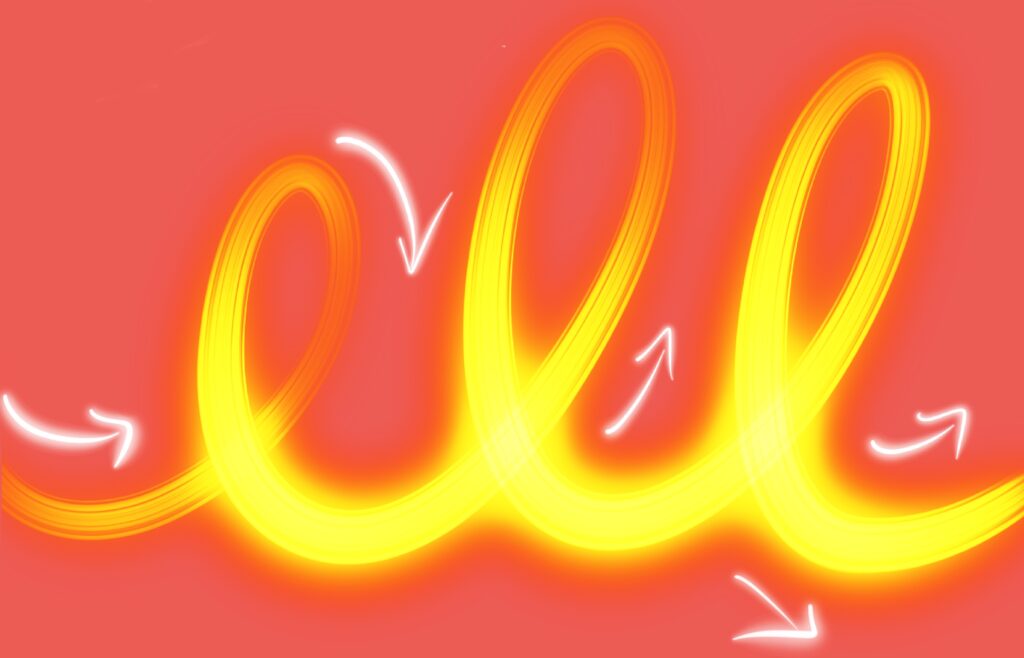
I created this image to signify the inevitable ups and downs of our creative journey.
Related Posts
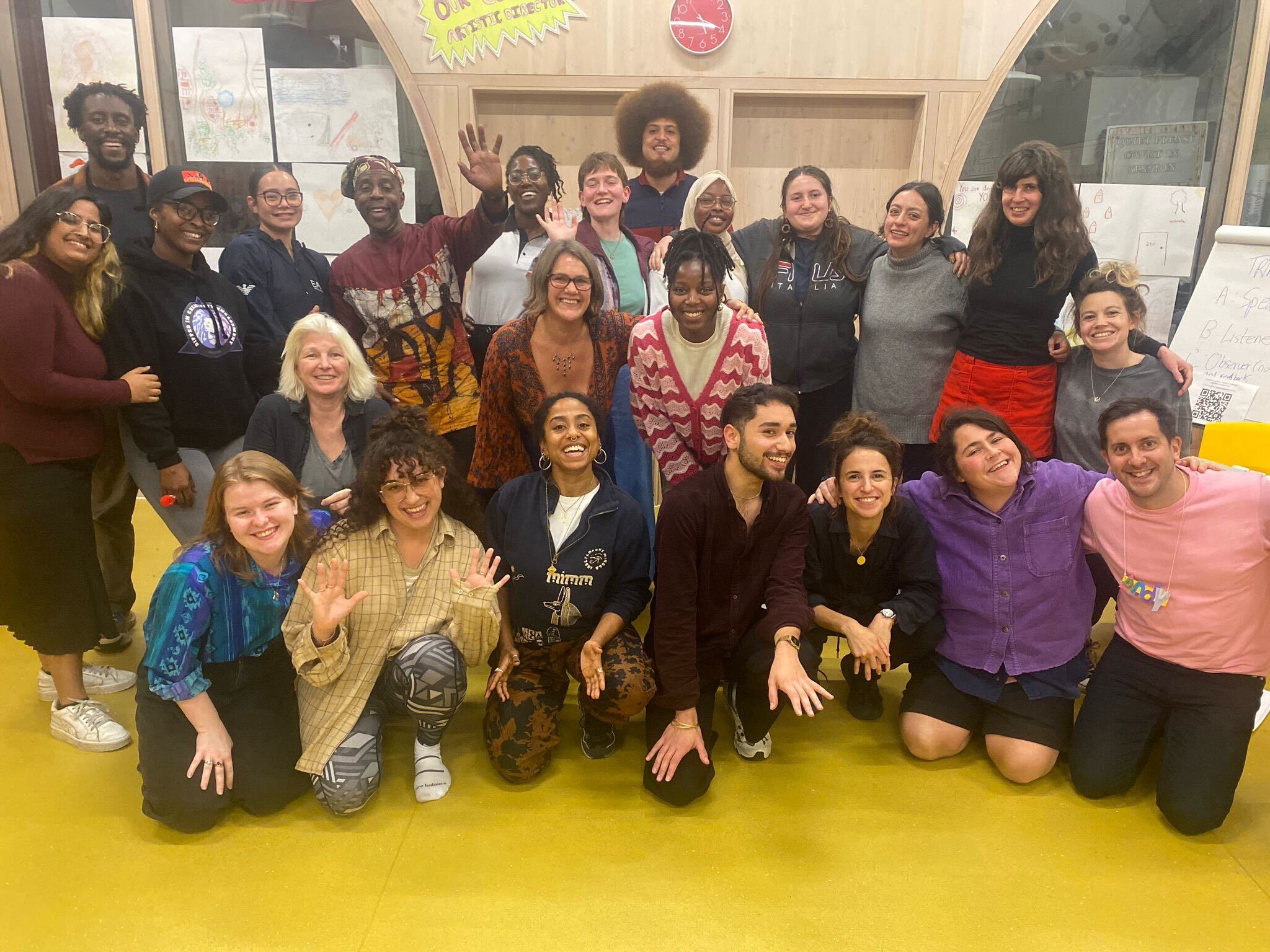
Life Beat Course in Creative Facilitation
Expanding My Facilitation Toolkit Through Play, Creativity & Connection At the end of 2024, I lept into the world of LIFEbeat, many years…

Books I Read In 2024
As 2024 comes to a close , I thought I’d reflect on the books I’ve read or listened to this year. *This isn’t a marketing or…

How Art Can Evoke the Unconscious
Creative Flourishing: Reflections on Exploring the Unconscious Through Arts-based Methods Throughout 2024, I participated in a Professional Development Course, themed on arts-based reflective…